Cracked Mirror in a Dream: What It Really Means

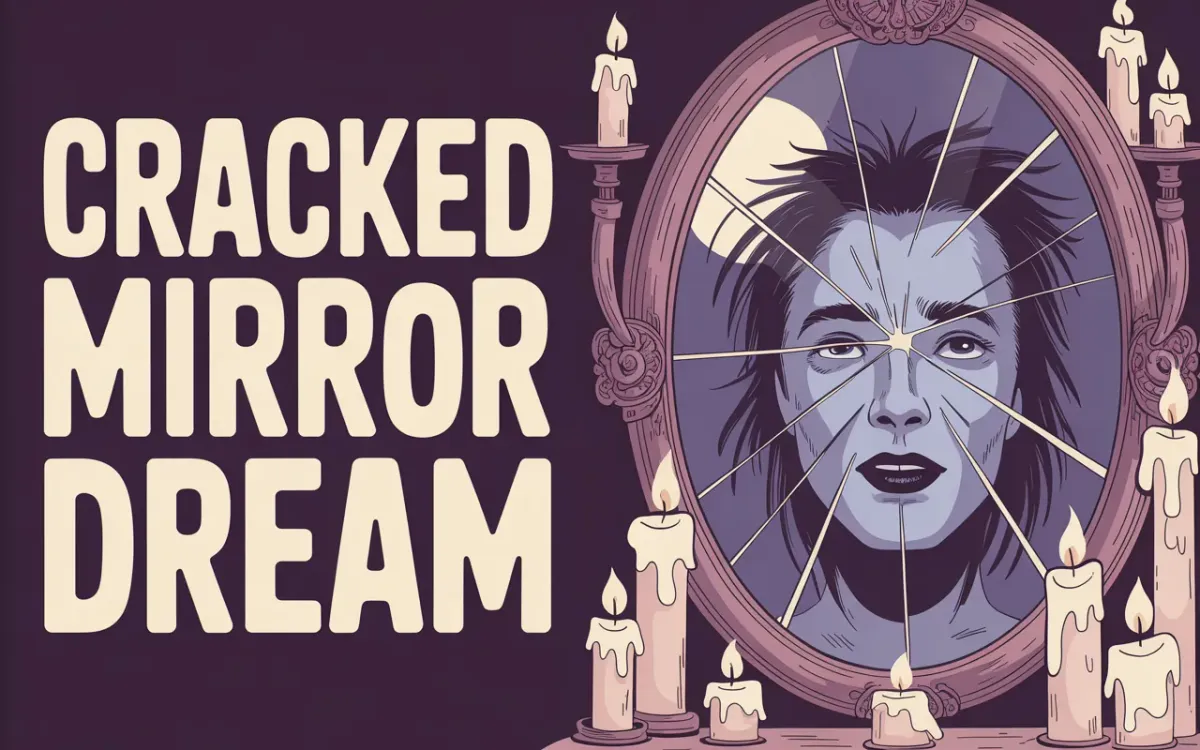
You wake up unsettled. In the dream, a mirror hung in front of you — but it was cracked. The surface was split into jagged pieces, and when you looked at your reflection, it came back wrong. Fragmented. Like looking at yourself through broken ice. That feeling doesn't leave quickly.
I've read hundreds of accounts of this dream, and the one thing they share is a particular kind of unease — not fear exactly, but a deep discomfort, as if something about the self felt fundamentally off. A cracked mirror isn't just about bad luck superstition. In the dream space, it tends to carry a specific message.
This dream shows up most often during periods of identity strain — when you're questioning who you are, when a relationship has shifted something in you, or when the face you show the world no longer feels honest. The crack is the signal. What the crack is pointing at is what we need to figure out.
Quick answer: Dreaming of a cracked mirror most often signals a fractured sense of self-identity — a feeling that your self-image has been damaged by external criticism, a major life change, or unresolved internal conflict. It may also warn of distorted self-perception or a transition period in how you see yourself.
What Does a Cracked Mirror Symbolize in a Dream?
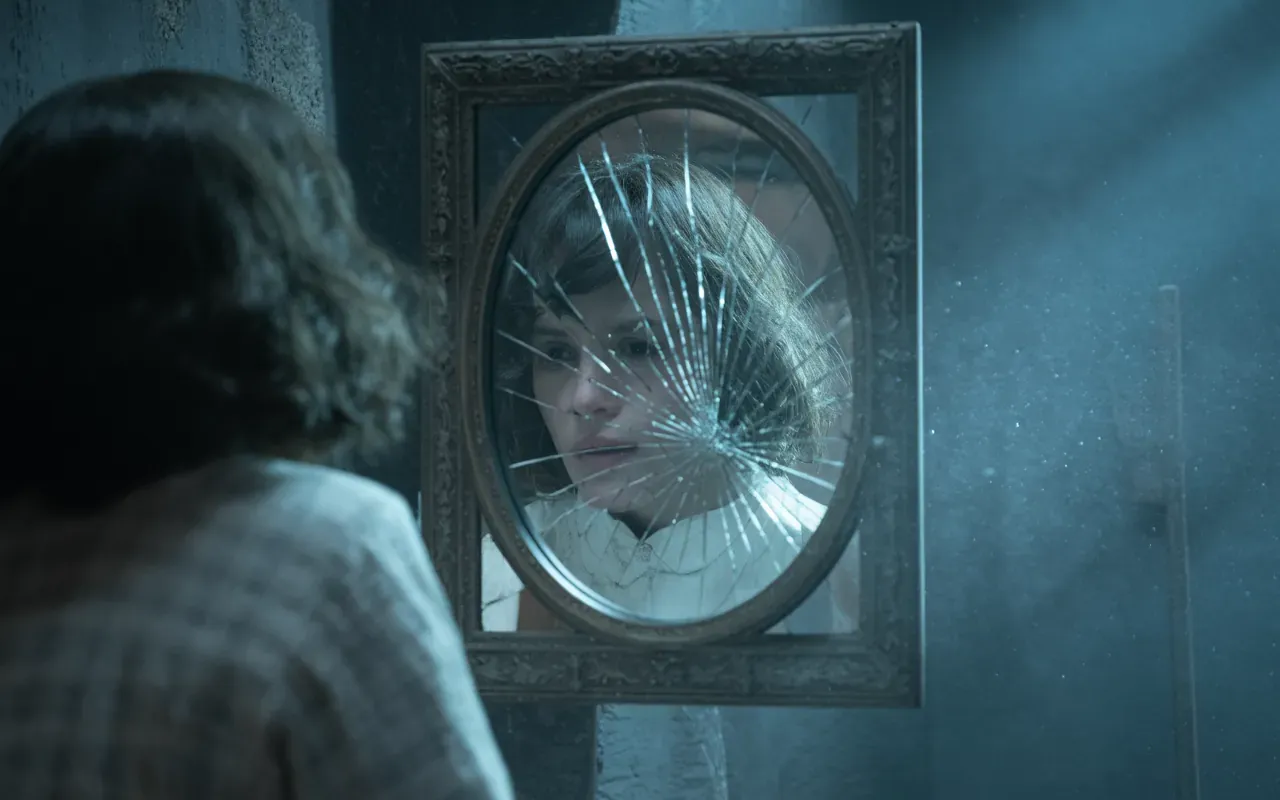
Mirrors in dreams almost always relate to self-perception — how you see yourself, how you think others see you, and whether those two things line up. A cracked mirror adds an important layer: the mechanism of self-reflection is damaged.
In my research, I've found that a cracked mirror most consistently points to a period where self-image feels unstable. Not necessarily destroyed — cracked, not shattered. There's still a reflection. But it's distorted, unreliable, uncomfortable to look at.
The specific themes that come up repeatedly include:
- Fractured identity — going through a role change (new job, new relationship status, parenthood, loss) and not yet knowing who you are in this new context
- Distorted self-view — believing something negative about yourself that may not be accurate, often after criticism or a difficult social experience
- Transition and change — old self-image breaking down to make room for something new; the crack as a necessary rupture before growth
- Reputation or social image concerns — anxiety about how others perceive you, worry that your public persona is slipping
- Avoiding self-examination — the cracked mirror as resistance; something inside doesn't want to look clearly at itself right now
The emotional tone of the dream matters enormously. Were you frightened by the crack? Indifferent? Did you try to fix it? Each of those responses shifts the interpretation significantly.
What Do Different Cracked Mirror Dream Scenarios Mean?
| Dream Scenario | What It Means | Emotional Tone |
|---|---|---|
| You crack the mirror yourself | Conscious rejection of an old self-image; desire to break free from how you've been seeing yourself | Often liberating, sometimes scary |
| Someone else cracks it | Another person has damaged your self-esteem or reputation; feeling that external judgment has fractured your sense of self | Vulnerable, violated |
| Looking at your reflection in the cracked mirror | Trying to understand yourself during a confusing period; the cracks represent unresolved questions about identity | Uneasy, searching |
| Mirror is already cracked when you find it | You've been carrying this identity strain for a while without addressing it; it predates the current moment | Resigned, burdened |
| Cracked mirror in your childhood home | Old wounds around self-image, often rooted in family dynamics or early criticism | Heavy, nostalgic, sad |
| Cracked mirror that shows no reflection | Loss of identity; feeling completely disconnected from who you are; common during major life upheavals | Dissociated, frightening |
What Does Psychology Say About Dreaming of a Cracked Mirror?
Freud viewed mirrors in dreams as symbols of narcissism and self-love — so a cracked mirror, in his framework, suggests injury to self-regard. This could manifest as wounded pride, fear of appearing flawed to others, or anxiety about physical appearance and aging. Freud would likely connect it to an ego threat.
Jung's angle is more interesting to me. From a Jungian perspective, I think this dream is particularly compelling because the mirror represents the persona — the mask we present to the world. When it cracks, it signals that the persona is no longer holding. The authentic self may be pushing through. This isn't necessarily negative. Jung saw the dissolution of the persona as a necessary step toward integration — toward meeting the parts of yourself you've hidden.
Modern sleep psychology adds another dimension. Dreams about damaged objects, particularly reflective ones, often appear during periods of cognitive dissonance — when the story you tell yourself about who you are conflicts with what you're actually experiencing. The brain, processing emotional information during REM sleep, uses the cracked mirror as a metaphor for that internal contradiction.

Why Do People Dream About a Cracked Mirror?
The specific triggers for this dream tend to be tightly linked to identity disruption. Here are the situations that most commonly precede it:
- After criticism or public embarrassment — someone said something that stuck, and the dream is processing the damage to your self-image
- During relationship breakdown — a partner, friend, or family member who reflected you back to yourself is gone or changed; the mirror cracks because that external source of identity is fractured
- Major life transitions — retirement, divorce, moving cities, changing careers; the old version of yourself is ending and the new one hasn't solidified
- Imposter syndrome peaks — particularly common among people who've recently achieved something but don't feel they deserve it; the reflection in the dream feels like an impostor
- Grief — losing someone who knew you well is like losing a witness to your own life; the cracked mirror captures that disorientation
Is There a Scientific Explanation for Cracked Mirror Dreams?
Research on object imagery in dreams suggests that damaged or dysfunctional objects tend to represent disrupted psychological functions. A mirror's primary function is accurate reflection — when it's cracked, its function is compromised. The dreaming brain tends to use functional impairment as a metaphor for psychological impairment.
Studies on REM sleep and emotional memory processing, including work published by the Sleep Foundation, show that threatening or emotionally charged visual symbols appear more frequently during REM when daytime stress involves identity or self-concept. The cracked mirror is one of the more precise symbols the dreaming mind produces — it's not random imagery. It's the brain's visual shorthand for "something is wrong with how you're seeing yourself."
There's also a neurological layer worth noting. The brain areas responsible for self-referential processing (medial prefrontal cortex) are active during dreams, and particularly during dreams about reflections and self-observation. When those dreams involve damage or distortion, researchers believe it reflects elevated activity in areas linked to emotional threat detection.
Related Dreams and Further Reading
If you've been having cracked mirror dreams, these related topics may add context:
- Spiritual Meaning of Mirror in a Dream — the deeper symbolic language of mirrors in the dream space
- Being Trapped in a Mirror or Reflection in a Dream — when the reflection becomes a prison
- Dreaming of a Cracked Phone Screen — a modern variant of the broken communication/identity symbol
What Should You Do After Dreaming About a Cracked Mirror?
The dream is a prompt. Here are four practical steps worth taking:
- Write down what the reflection showed. In your journal, note what your reflected image looked like — distorted, absent, multiplied, aged. The specific distortion often points toward the specific wound.
- Identify the source of the crack. Ask yourself honestly: what has recently damaged your self-image? A conversation? A failure? A comparison? Naming it reduces its power in the dream space.
- Notice whose opinion you're carrying. Many cracked mirror dreams trace back to someone else's criticism that you've internalized. Whose voice is in the glass?
- Consider what's actually changing. If the crack represents a persona falling apart, that's not always a crisis. Sometimes it's necessary. What old version of yourself might be due for an update?
Frequently Asked Questions
What does it mean when you dream of a cracked mirror?
A cracked mirror in a dream typically signals a fractured or unstable sense of self-identity. It suggests you may be going through a period where your self-image feels damaged — often following criticism, a major life change, or internal conflict about who you are.
What does a broken mirror mean biblically in a dream?
In biblical interpretation, mirrors relate to God's image reflected in humanity. A broken or cracked mirror in a dream may symbolize a perceived imperfection in that reflection — feeling spiritually disconnected, unworthy, or out of alignment with your values and faith. It can also point to the need for repentance or spiritual renewal.
What does seeing a broken mirror in a dream mean in Islam?
In Islamic dream interpretation, a broken mirror can indicate the end of a partnership or marriage, loss of social standing, or a warning about damaged reputation. Some scholars connect it to the breaking of a bond of trust. The context of the dream and the dreamer's emotional state are considered important in Islamic interpretive tradition.
Is dreaming of a cracked mirror bad luck?
In waking life superstition, a broken mirror means seven years of bad luck — but dream interpretation doesn't work this way. The cracked mirror in a dream is a psychological symbol, not a prophecy. It reflects your current inner state rather than predicting future misfortune.
What does it mean when you can't see your reflection in a cracked mirror in a dream?
No reflection in a cracked mirror is one of the more striking dream images and often points to a significant loss of identity — feeling like you don't know who you are anymore. It's most common during major transitions: divorce, job loss, the end of a long-term identity role. It can also indicate emotional dissociation.
What do mirrors symbolize in dreams generally?
Mirrors in dreams represent self-awareness, self-perception, and the way you believe others see you. A clear mirror suggests good self-knowledge; a foggy, dirty, or cracked mirror suggests distorted or uncertain self-perception. Looking into a mirror in a dream is the unconscious mind examining itself.
Why can't I see myself clearly in a mirror in my dreams?
The brain actually struggles to render stable mirror reflections during REM sleep — this is partly neurological. But the symbolic layer matters too: unclear or shifting reflections often appear when waking-life identity is uncertain or in flux. It's the dreaming mind making visible what you already sense.
What does it mean to dream about breaking a mirror on purpose?
Intentionally breaking a mirror in a dream can carry a positive meaning: a conscious decision to reject an outdated self-image or break free from how others have defined you. It may signal readiness for change, even if that change is uncomfortable.
Cracked mirror dream meaning in Hinduism
In Hindu interpretation, a broken mirror in a dream is often considered inauspicious and may warn of obstacles, health concerns, or conflicts in personal relationships. Some traditions associate it with the breaking of illusion (maya) — the necessary shattering of false perceptions about the self or the world.
Final Thought
The cracked mirror dream is uncomfortable by design. Across the dream accounts I've studied, the people who paid attention to this dream — who asked what was cracked and why — consistently found it pointing toward something real. Not bad luck. Not a random image. A specific, targeted message about how you're seeing yourself right now.
The crack doesn't have to stay. But you have to look at it first.