Missing a Train in a Dream: What It Really Means

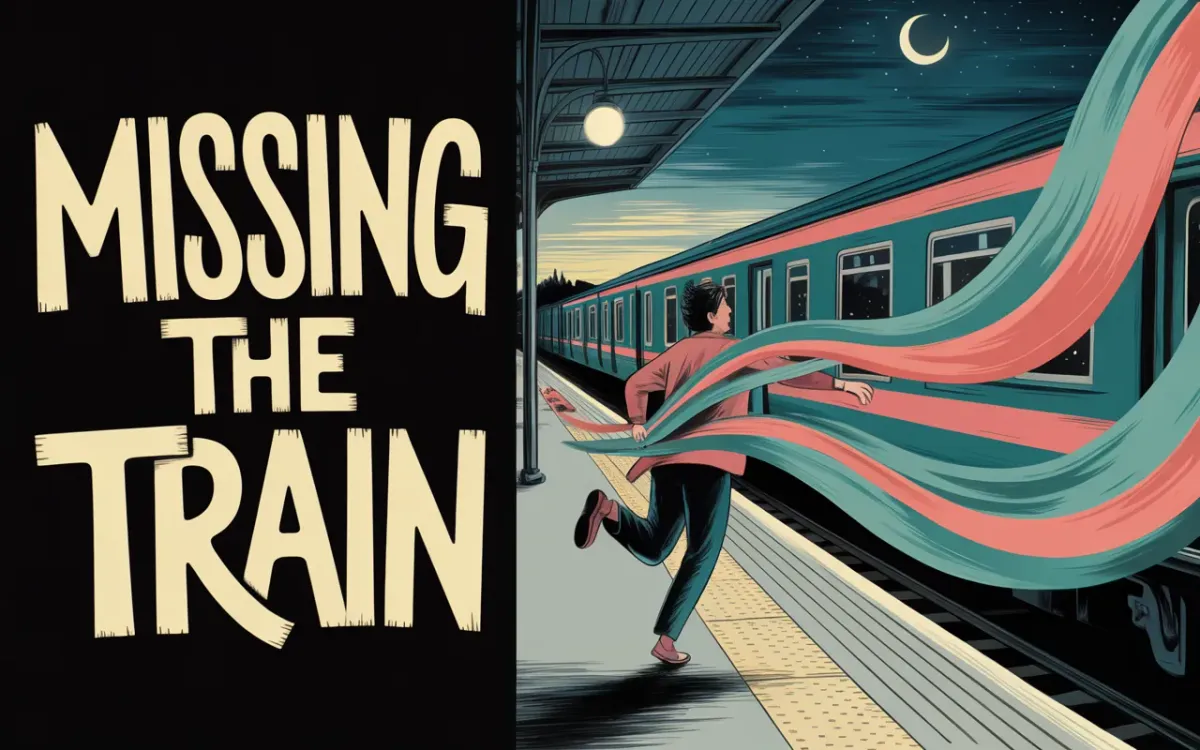
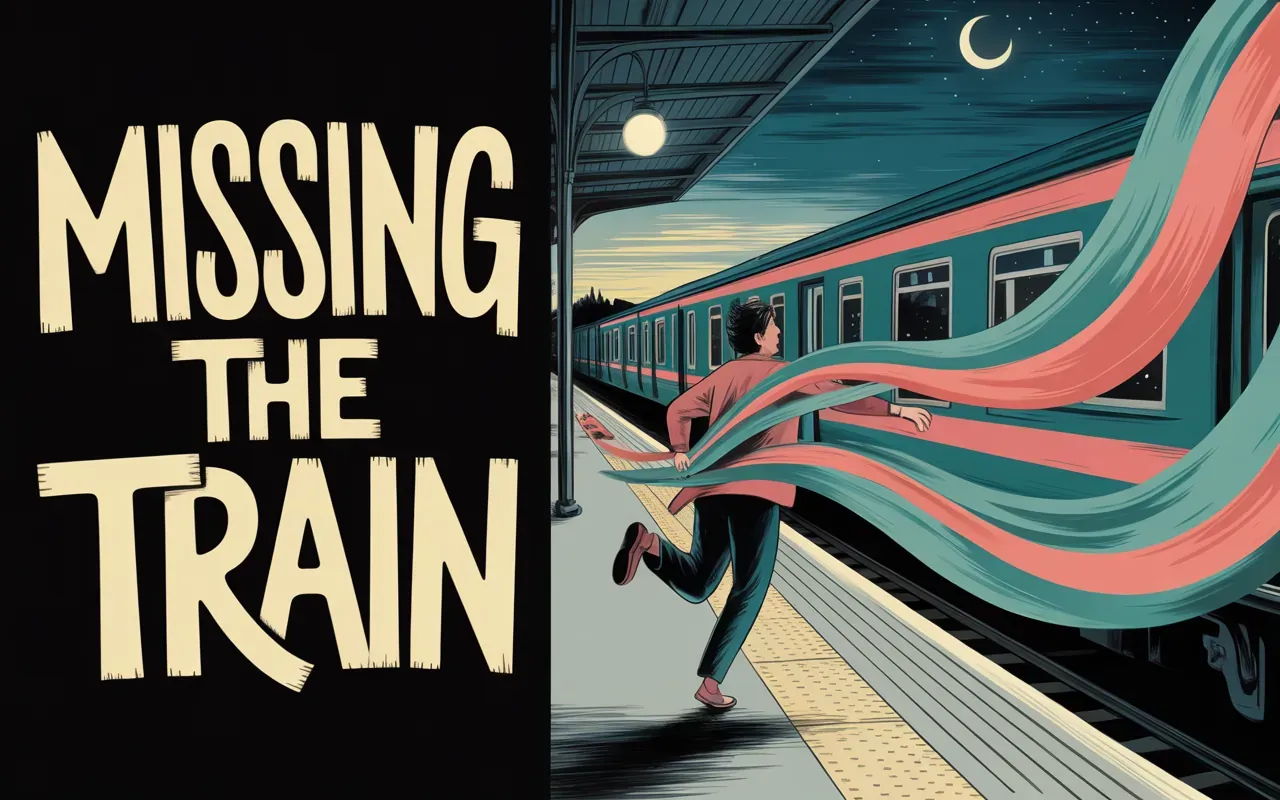
I've had the dream dozens of times. I'm sprinting through a cavernous station, bags slipping from my shoulders, the clock ticking — and then I watch the train slide away from the platform, just beyond my reach. I wake up with my heart pounding and that specific, sour feeling of having been left behind.
If this sounds familiar, you're not alone. Dreaming of missing a train is one of the most universally reported anxiety dreams, right alongside failing an exam or showing up somewhere unprepared. But what's actually happening in your mind when this plays out at night — and what is your dreaming self trying to tell you?
Quick answer: Missing a train in a dream typically reflects anxiety about missed opportunities, fear of falling behind in life, or feeling that time is slipping away. It points to pressure around goals, deadlines, or major decisions — your subconscious processing the gap between where you are and where you feel you should be.
What Does a Train Symbolize in Dreams?
Before we talk about missing one, it helps to understand what trains represent. In dream symbolism, trains are almost universally associated with life's journey moving forward on a fixed track. Unlike a car (which you steer freely), a train runs on rails — it has a schedule, a route, and departures you can't renegotiate.
This makes the train a powerful metaphor for:
- Life milestones — career promotions, relationships, life stages that feel scheduled or expected
- External timing — opportunities with deadlines, windows that open and close
- Social or cultural progression — the sense that everyone else is "on track" and you're falling behind
- Inevitability — things that will happen whether you're ready or not
I've found that people who dream of trains repeatedly are often at a crossroads in waking life — facing a decision that feels both pressing and irreversible. The train doesn't wait. That's the emotional truth embedded in the symbol.
Scenarios and What Each One Means
Not all missed-train dreams feel the same. The specific scenario shapes the meaning considerably. Here's a breakdown of the most common versions I've encountered:
| Dream Scenario | Likely Meaning |
|---|---|
| Running but never catching the train | Chronic anxiety about falling behind; feeling effort never translates to results |
| Watching the train leave without panic | Part of you accepts or even welcomes missing this opportunity; ambivalence |
| Can't find the right platform | Confusion about direction in life; uncertainty about which path to take |
| Train leaves because someone delayed you | Resentment toward people who hold you back; feeling controlled by others |
| Bags too heavy to run in time | Emotional burdens, responsibilities, or past baggage weighing on progress |
| Train was full — couldn't board | Feeling excluded, overlooked, or that there's no room for you in a group or role |
| Wrong train — you get on but it's not yours | Moving forward but in the wrong direction; fear of committing to the wrong path |
| Missing a train with someone else | Shared anxiety in a relationship; fear of losing pace with a partner |
The Psychology Behind It
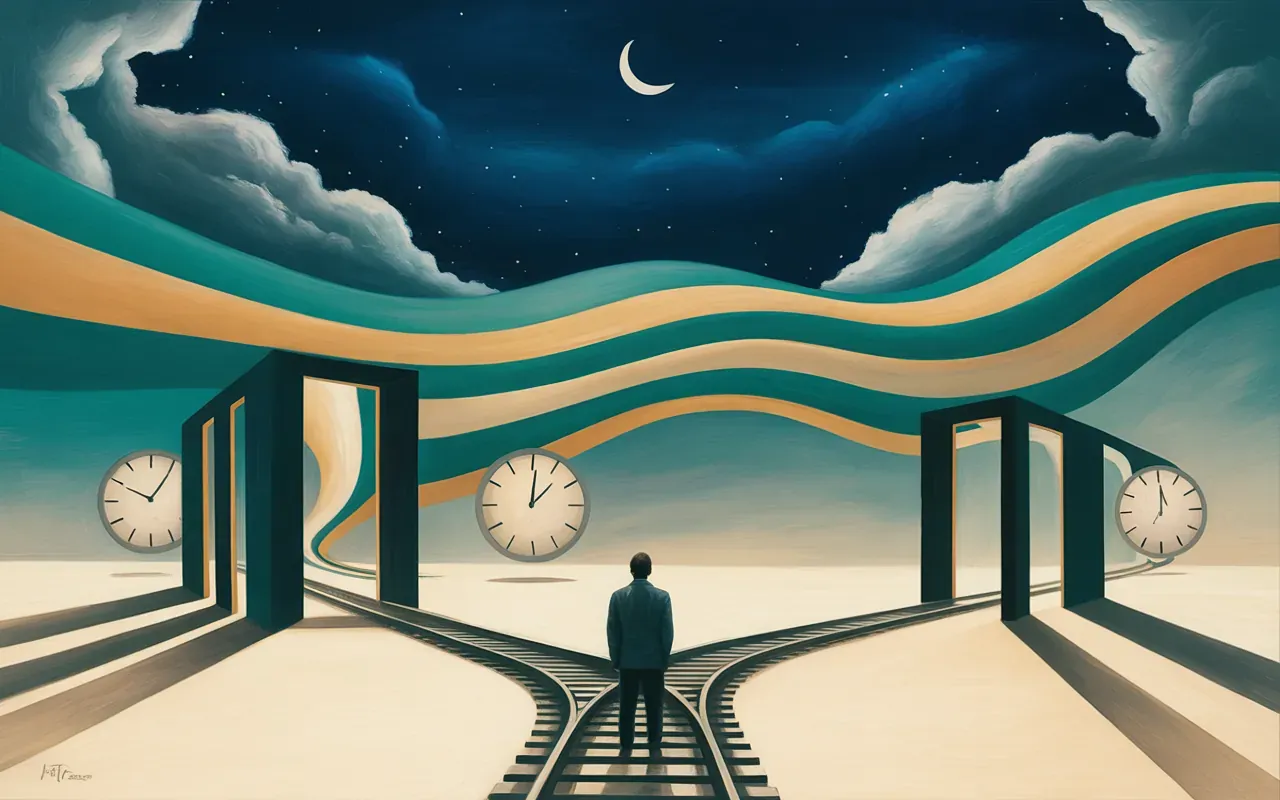
From a psychological standpoint, missing a train dream falls into a well-documented category of anxiety dreams tied to self-evaluation and performance. These dreams tend to spike during transitional periods — when you're changing jobs, navigating a relationship shift, or facing a decision you feel unprepared for.
Carl Jung saw transportation dreams as expressions of the psyche's assessment of how well you're navigating your life path. Missing a scheduled departure suggests that your unconscious perceives a misalignment between your actions and your intentions — a gap between who you are and who you think you should be by now.
In my research, I've noticed a strong link between this dream and what psychologists call fear of missing out (FOMO) — not the social media variety, but a deeper existential version. The train represents an irreversible moment: once it's gone, it's gone. That finality triggers something primal in us.
Worth noting: people who tend toward perfectionism, high achievers, and those who grew up in environments where "keeping up" was highly valued report this dream far more frequently. Your dream life often amplifies the pressures your waking self has learned to minimize.
Why Are You Having This Dream Right Now?

Dreams don't arrive randomly. They're generated from the emotional residue of your waking life — the unprocessed worries, hopes, and tensions your conscious mind hasn't fully worked through.
Ask yourself honestly: Is there an opportunity in your waking life that has a real or imagined deadline? A job application you keep procrastinating on? A relationship where you feel like you're running out of time? A life milestone — marriage, children, a career move — that feels like it has an expiry date?
The train-missing dream is especially common in people who:
- Are approaching milestone birthdays (30, 40, 50) and feel behind schedule
- Are watching peers advance faster in careers or relationships
- Have recently let a real opportunity pass without acting
- Are overwhelmed with obligations that prevent them from pursuing what they actually want
- Feel that life's "right timing" has a window that might be closing
One thing I want to be clear about: having this dream is not a message that you have actually missed your chance at something. It's a signal that some part of you fears that. Those are very different things.
What Science Says About Missing-Event Dreams
Sleep researchers categorize this type of dream as a frustration dream — a subtype of anxiety dreaming in which the sleeper is engaged in a goal-directed activity that is continuously thwarted. These dreams occur predominantly in REM sleep, when emotional memory consolidation is most active.
A 2014 study published in Neuropsychopharmacology found that anxiety-driven dreams serve an active emotional regulation function — essentially, the brain is running simulations of feared outcomes to reduce their emotional charge. In other words, dreaming about missing the train may actually be your mind practicing resilience to disappointment.
This is why recurring missing-train dreams often fade once the real-life pressure that spawned them resolves — the brain no longer needs to rehearse the scenario.
Related Dreams Worth Exploring
Missing a train rarely exists in isolation. If this is a recurring theme for you, you might also recognize yourself in these related experiences:
- Being Late for an Important Event in a Dream — the broader pattern of deadline anxiety in dreaming
- Missing an Important Exam or Being Unprepared in a Dream — performance anxiety expressed through a school setting
- Spiritual Meaning of a Bus in a Dream — another transit vehicle with its own symbolic weight
- Spiritual Meaning of Running in a Dream — when the body itself becomes the instrument of urgency
- Spiritual Meaning of Failing an Exam in a Dream — the fear of not measuring up in high-stakes situations
What to Do After This Dream

The missing-train dream is one of the most useful anxiety dreams to work with, because its message is usually quite specific. Here's what I recommend:
1. Identify the train. Sit quietly after waking and ask: what in my life right now feels like it has a departure time? Be specific. Is it a career move? A relationship decision? A creative project? A health change you've been postponing?
2. Journal the emotion, not the story. Write down how you felt in the dream — panicked, resigned, frustrated, relieved — rather than just narrating what happened. The feeling is the message.
3. Separate fear from reality. Ask yourself: is the deadline I'm afraid of real, or is it a story I've constructed? Many of the "trains" we fear missing are social fictions. Life paths are far less fixed than our dreaming minds believe.
4. Take one small action. If the dream points to genuine procrastination, use it as a prompt. Send the email. Schedule the appointment. Make the call. Often a single concrete step dissolves the dream within a week or two.
5. Reframe the missed train. Some of the most significant life turns come from missing the "expected" route. The train you missed might not have been going where you actually want to go.
Frequently Asked Questions
What does it mean to dream about missing a train?
It typically reflects anxiety about a missed opportunity or fear of falling behind in life. The train symbolizes a time-sensitive chance — a career step, relationship milestone, or personal goal — and missing it mirrors a waking concern that you're not keeping pace with your own expectations or those of others.
Is dreaming of missing a train a bad omen?
Not in a predictive sense. Dreams don't foretell events. This dream is a psychological signal, not a prophecy. It tells you that your mind is processing anxiety about timing and opportunity — which is useful information, not a curse.
Why do I keep having recurring dreams about missing a train?
Recurring versions usually indicate an unresolved waking concern. The dream keeps returning because the underlying pressure — a decision you're avoiding, a goal you're postponing — hasn't been addressed. Once you take action or genuinely release the anxiety, the dream typically stops.
What does it mean if I watch the train leave calmly in my dream?
A calm or even relieved reaction to missing the train suggests ambivalence about the opportunity in question. Part of you may not actually want what the train represents — and the dream is surfacing that honest feeling.
Does missing a train in a dream mean I'll miss a real opportunity?
No. These dreams are about emotional states, not predictions. They're more likely to arise after you've sensed an opportunity slipping than before one actually does. They reflect what's already on your mind, not what will happen next.
What does it mean when someone else causes you to miss the train in a dream?
This often points to feelings of being held back or frustrated by others in your waking life — a controlling relationship, a demanding job, or a family obligation that feels like it's preventing you from moving forward on your own terms.
Can missing a train dream be positive?
Yes. In some dream contexts, missing a train is actually a relief — suggesting you've subconsciously recognized that the path you were chasing wasn't right for you. It can be your inner self saying: that wasn't your train anyway.
What's the difference between dreaming of missing a train versus missing a plane?
Planes tend to symbolize higher-stakes, longer-range ambitions — often career or life aspirations with a more dramatic sense of altitude and risk. Trains feel more grounded: daily progress, steady advancement, social expectations. Missing a plane carries more existential weight; missing a train is more often about routine pressure and keeping up.
How do I stop having anxiety dreams about missing a train?
Address the waking-life source. Journaling, therapy, and taking concrete steps toward whatever the "train" represents are the most effective approaches. Physical exercise before sleep can also reduce REM-heavy anxiety dreaming. Some find that setting clear intentions before bed — affirming that you are moving at the right pace for your own life — gradually shifts the dream pattern.
Final Thoughts
The missing-train dream is, at its core, a dream about urgency — and urgency is something most of us feel far too much of already. What I've come to believe, after years of exploring these patterns, is that this dream is less a warning and more an invitation.
It's asking you to look honestly at where you feel the clock ticking in your life — and to question whether those clocks are real or imagined. Some trains are worth sprinting for. Others were never yours to catch.
The platform clears. Another train will come. And often, the best journeys begin when we stop running and actually choose our destination.