Spiritual Meaning of Resurrection in a Dream: Unveil Hidden Insights

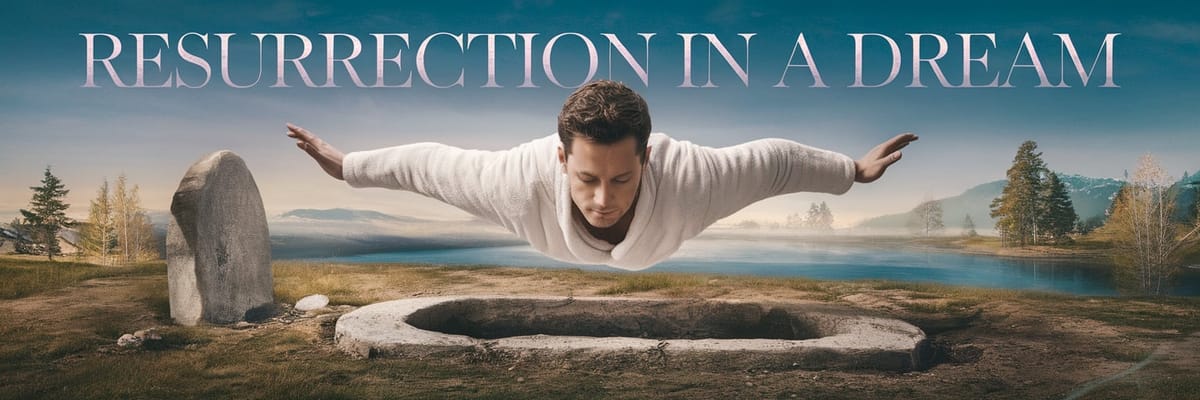
Dreaming of resurrection is one of the most striking experiences a person can have while asleep. The image of rising from death — whether your own or someone else\'s — tends to stay with you long after waking. I\'ve heard this dream described as terrifying, peaceful, and everything in between, but it\'s rarely meaningless. What it signals depends heavily on the details: who was resurrected, how it felt, and what\'s happening in your life right now.
Quick answer: Dreaming of resurrection typically means personal renewal, a major life change, or the resolution of something long unresolved. Spiritually, it signals transformation — old patterns dying off to make room for growth. The biblical tradition reads it as divine hope; psychologists tie it to identity shifts during stress or transition.
What does resurrection mean spiritually in a dream?
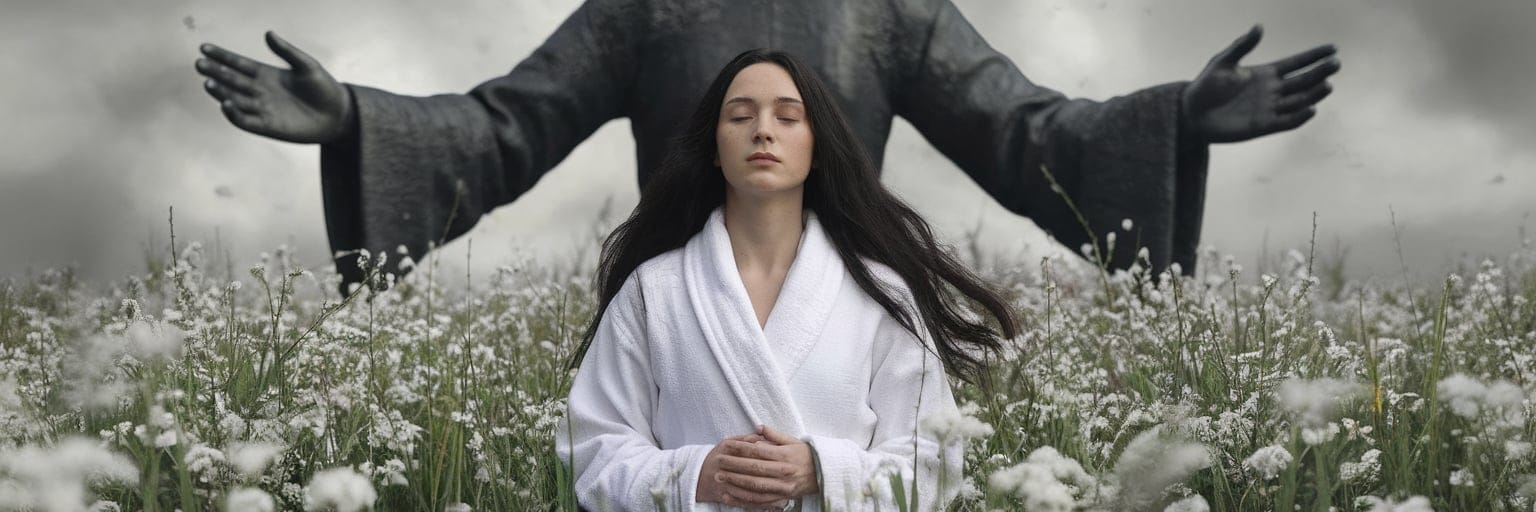
Spiritually, resurrection in a dream points to radical inner change — not just self-improvement, but a genuine before-and-after shift. You\'re not just updating; you\'re being remade.
Across traditions, resurrection carries a consistent core meaning: something ends completely so something new can exist. In Christianity, resurrection signals that death isn\'t final — it\'s a doorway. In Jungian psychology, the same image shows up during individuation, the process where unconscious parts of the self get integrated into conscious identity. Both frameworks are pointing at the same psychological event: a deep identity shift.
In my research into recurring dream symbols, resurrection dreams show up most often during three life periods: ending relationships, leaving a long-held career, and recovering from serious illness. The dream isn\'t predicting the future — it\'s reflecting what\'s already happening inside you.
What does it mean when you dream about resurrection?
The specific version of the dream matters a lot. A calm, slow resurrection means something different from a sudden, jolting one.
\n\n| Scenario | What it usually signals |
|---|---|
| Gradual resurrection | Slow personal growth; you\'re working through something at your own pace |
| Sudden resurrection | An abrupt realization or change — a decision that flips your perspective fast |
| Peaceful resurrection | Acceptance; you\'ve already processed the change and this dream confirms it |
| Fearful or painful resurrection | Resistance to change; a part of you fights the transformation even as it happens |
| Someone else resurrected | A relationship or aspect of yourself you thought was gone is returning |
| Dead loved one comes back to life | Grief processing, or an unresolved connection seeking acknowledgment |
The emotional tone is the clearest signal. Fear points to resistance; peace points to readiness.
What is the biblical meaning of resurrection in a dream?
Biblically, resurrection is hope made concrete — the promise that endings aren\'t permanent. A dream with this image often arrives when someone needs that reassurance.
The Hebrew word for resurrection is tehiyyah (תְּחִיָּה), which also means revival or rebirth. In biblical dream tradition (think Joseph or Daniel), vivid symbolic dreams carried divine messages. A resurrection dream in this context isn\'t just psychological — many Christians interpret it as spiritual encouragement during a difficult season, a reminder that what feels dead can be restored.
If you\'ve been dreaming about funerals alongside resurrection imagery, the spiritual meaning of attending a funeral in a dream adds useful context about how the two symbols interact.
Psychological explanations for resurrection dreams
Psychology and spirituality often land on the same interpretation from different starting points.
Freudian view: Freud connected death-and-rebirth imagery to repressed guilt or unresolved conflict. The resurrection is the subconscious staging a symbolic resolution — the psyche working out what hasn\'t been dealt with consciously.
Jungian view: Jung saw resurrection as individuation in action. The dying self is the old ego structure; the risen self is a more integrated version. This dream often appears when someone is outgrowing a version of themselves they\'ve held for years.
Neuroscience angle: During REM sleep, the brain consolidates emotional memories and rehearses scenarios. Vivid, symbolic dreams like resurrection often spike when the nervous system is processing something significant — grief, major life change, or intense stress. Sleep disruptions can amplify this, making the imagery more extreme and memorable.
Across the dream accounts I\'ve studied, the most common trigger isn\'t a spiritual crisis — it\'s practical life upheaval: a job loss, a breakup, a health scare. The mind reaches for the biggest symbol it knows for total change.

What triggers resurrection dreams?
These dreams don\'t appear randomly. They cluster around specific life conditions:
- Major transitions: Graduating, relocating, ending or starting a relationship — any event that draws a hard line between before and after
- Grief: Losing someone close can generate resurrection dreams for months, as the brain processes the permanence of absence
- Recovery: People recovering from illness, addiction, or burnout frequently report these dreams — the body and mind literally coming back to life
- Unresolved conflict: Old wounds that haven\'t healed can surface as resurrection imagery, the psyche signaling it\'s time to deal with them
- REM disruption: Poor sleep, new medications, or sleep apnea can intensify dream vividness and push symbolic content toward extremes
What to do after a resurrection dream?
Don\'t just dismiss it. These dreams carry signal worth following up on.
Write it down immediately — the emotional tone, who appeared, whether it was your resurrection or someone else\'s. Date it and note what\'s happening in your life right now. Patterns become visible over weeks, not days.
If the dream recurs or causes distress, it\'s worth talking to someone: a therapist, a spiritual director, or even a trusted friend who\'ll take it seriously. The dream isn\'t the problem — it\'s pointing at something that might need attention.
Dreams about nearby themes often appear together. If you\'ve seen a cemetery in a dream around the same time, that\'s part of the same psychological story about endings and what comes after them.
And if you\'re dreaming specifically about your own death in a dream, that post covers the full range of what that symbol means — which often overlaps with resurrection themes.
FAQ: Resurrection Dreams
What does it mean when you dream about resurrection?
Dreaming of resurrection means your subconscious is processing significant change — identity, relationships, or life direction. It\'s the mind\'s strongest symbol for transformation: something old ending completely so something new can begin.
What does resurrection mean spiritually?
Spiritually, resurrection means eternity and hope — to a Christian believer, it confirms that death doesn\'t have the final word. In broader spiritual traditions, it signals that what feels permanently lost can be restored, especially through faith, healing, or inner work.
What is the Hebrew meaning of the word resurrection?
The Hebrew word tehiyyah (תְּחִיָּה) means resurrection, revival, or rebirth. A second Hebrew term, tequmah (תְּקוּמָה), also translates as resurrection and carries the literal sense of rising up or standing again after being brought low.
What does it mean to dream about a loved one being resurrected?
Dreaming of a dead loved one coming back to life usually reflects active grief or an unresolved connection. It doesn\'t predict a literal return — it\'s the brain keeping that person present while you process the loss. It can also mean a quality that person represented is re-emerging in your life.
What does it mean when a dead person comes back to life in your dream biblically?
In the biblical tradition, a dead person returning to life in a dream can signal spiritual encouragement, divine reassurance, or a message from God during a difficult season. It echoes themes from passages like Ezekiel 37 (the valley of dry bones) — the idea that what seems finished can be revived.
What does it mean to dream of someone dying and coming back to life?
This specific sequence — watching someone die, then seeing them revive — often reflects anxiety about losing that person, or fear that a relationship is ending. The revival in the dream can be wishful processing, or a signal that the connection is more resilient than you think.
What does it mean spiritually when you die in a dream and come back to life?
Dying and reviving within the same dream is one of the clearest transformation symbols your subconscious produces. Spiritually it means you\'re going through (or about to go through) a complete identity shift — not just change, but genuine before-and-after renewal.
What is the spiritual meaning of death in a dream?
Death in a dream almost never means literal death. It signals endings: a relationship, a phase of life, a belief system, a version of yourself that no longer fits. When paired with resurrection imagery, the message is that the ending is also a beginning.
Is dreaming about resurrection in Christianity significant?
Yes. In Christian belief, resurrection is the central miracle — Christ\'s resurrection is the foundation of the faith. Dreaming of it can carry devotional weight, appearing during periods of spiritual dryness, doubt, or seeking. Many Christians treat such dreams as meaningful spiritual encounters worth praying through.
How do I stop having distressing resurrection dreams?
Distressing resurrection dreams usually ease when the underlying stress or grief is addressed directly. Keeping a dream journal, reducing sleep disruption, and processing whatever major transition you\'re facing (ideally with a therapist or counselor) are the most effective steps. The dream is a symptom, not the source.
What resurrection dreams are really telling you
A resurrection dream isn\'t random. It appears when something significant is ending or has already ended, and your mind is working out what comes next. Whether you read it spiritually (divine encouragement, a call to faith) or psychologically (identity shift, grief processing), the core message is the same: you\'re not done. Write the dream down, sit with the emotions it brought up, and look at what in your life is in the middle of a transformation right now. That\'s where the meaning lives.