Spiritual Meaning of Teeth Falling Out in a Dream Explained

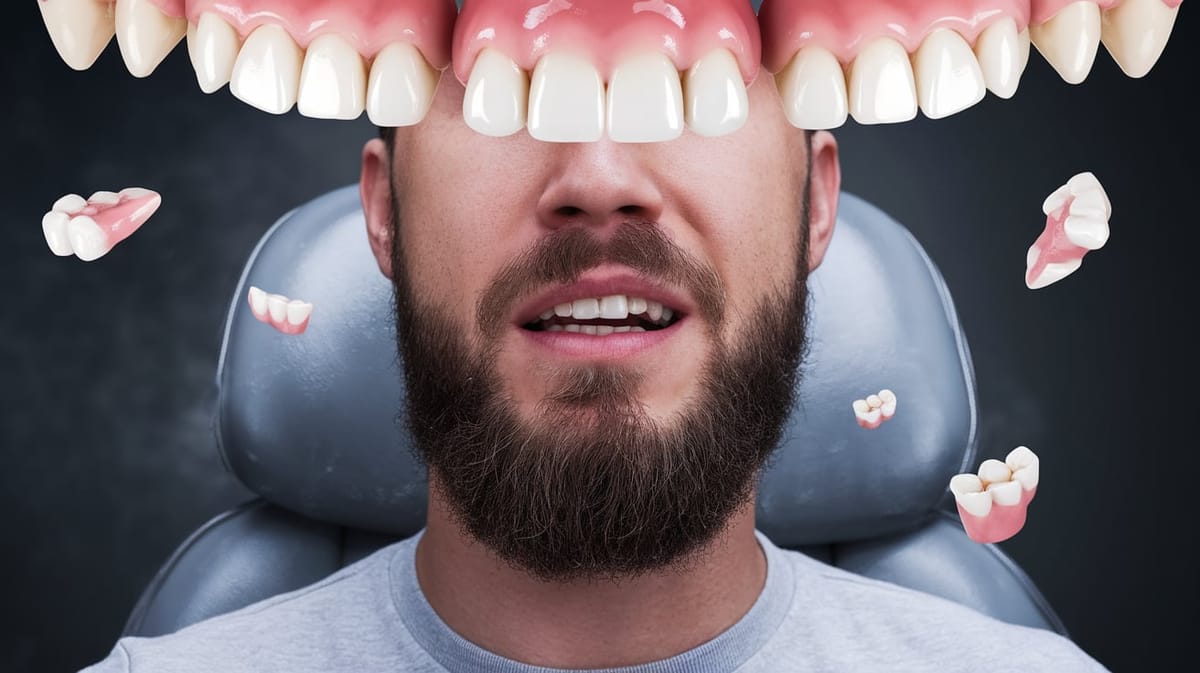
You wake up mid-night, hands already reaching for your face. Your heart pounds. Slowly you realize — it was just a dream. But the image of your teeth falling out stays with you, unsettling and vivid. This dream is one of the most common in the world, reported across every culture and age group for thousands of years.
What does it actually mean? Here's the short version, then we go deeper.
Quick answer: Dreaming about teeth falling out signals anxiety, fear of loss, or a major life transition. Spiritually, teeth in dreams represent personal power and confidence — losing them points to something shifting in your identity or circumstances. The Sleep Foundation identifies this as one of the five most universally reported dream types, most commonly linked to psychological stress and personal change.
What does losing teeth symbolize spiritually?
Spiritually, teeth represent personal power, confidence, and your ability to process life's experiences. When they fall out in a dream, something is shifting — and your subconscious is flagging it.
- Personal power and transition: Teeth show strength and maturity. Losing them can mark a move away from dependency, old patterns, or an outdated version of yourself. The loss is the transition.
- Fear of change or loss: The dream mirrors anxiety about something slipping away — a relationship, a role, a sense of security you can't hold onto.
- Awakening of inner wisdom: Some spiritual traditions read this positively. The old self is being cast aside to make room for insight. What looks like loss is actually clearing.

The meaning shifts depending on your specific life circumstances and emotional state at the time of the dream. There's no single answer — but the table below gives you a clear starting map.
What do different teeth-falling-out scenarios mean?
The scenario matters. Not all teeth-loss dreams carry the same message.
| Scenario | What It Often Signals |
|---|---|
| Gradual loss (teeth falling out one by one) | Slow acceptance of change; awareness building over time |
| Sudden loss (teeth fall out all at once) | Unexpected life shock; a forced or immediate decision |
| Dream accompanied by pain or fear | Deep-rooted anxiety about powerlessness or inadequacy |
| Watching someone else's teeth fall out | Concern for someone close going through upheaval |
| Teeth crumbling without pain | Quiet erosion of confidence; gradual detachment from self-image |
| Teeth falling out and growing back | Renewal — a cycle of loss followed by recovery |
For a deeper look at the painless variation specifically, see our guide on teeth crumbling or falling out without pain in a dream.
What do psychologists say about teeth falling out dreams?
Three major frameworks explain this dream — each adds a useful layer of understanding.
- Freudian view: Freud connected teeth dreams to repressed anxiety, sexual tension, or feelings of inadequacy. For him, dreams were the "royal road to the unconscious" — windows into conflicts you won't examine while awake.
- Jungian analysis: Jung saw the loss of teeth as a confrontation with the shadow self — undeveloped or disowned parts of the psyche. Losing teeth points to integrating those neglected parts to become more whole.
- Reiki and energy perspective: From an energy healing standpoint, the dream flags an imbalance in the body's energy fields. It's a prompt to examine what's been neglected — physically or emotionally.
Many dreamers report this dream during major life evaluations: job changes, relationship endings, aging milestones. Dream journals collected by therapists consistently show stress and identity change as the core trigger.
What commonly causes teeth falling out dreams?
Five situations reliably produce this dream:
- High stress or anxiety — work pressure, financial worry, or relationship tension
- Major life transitions — new job, breakup, relocation, becoming a parent
- Health concerns — worry about your body, a symptom, or your mortality
- Feelings of loss or jealousy — losing status, a friendship, or someone's attention
- Unresolved conflict — something you've been avoiding that needs direct confrontation

These dreams act as an emotional barometer — showing what's living beneath the surface of your conscious awareness and hasn't been addressed.
Is there a scientific explanation for teeth falling out dreams?
Yes, and it's more grounded than most people expect.
- Bruxism and physical sensation: Teeth grinding during sleep can trigger the brain to incorporate tooth sensations into REM dream imagery. If you grind at night, this dream has a direct physical cause.
- Neurological REM activity: During REM sleep, the brain fires in patterns similar to waking life. Sleep fragmentation, fever, or alcohol disruption can produce vivid, distressing scenarios — teeth dreams included.
- Hormonal changes: Puberty, pregnancy, and menopause all correlate with increased dream vividness, and teeth-loss themes appear more frequently during these transitions.
According to Sleep Foundation research, teeth-falling-out dreams rank among the five most universally reported dream types, alongside falling, being chased, and flying. That universality suggests a shared psychological wiring rather than a personal quirk.
What can you do about recurring teeth dreams?
If this dream keeps coming back, it's worth taking seriously — not as prophecy, but as a signal worth examining.
- Keep a dream journal: Write down the dream immediately on waking. Note what was stressing you that day. Patterns typically emerge within two to three weeks.
- Seek professional support: A therapist trained in somatic or Jungian work can help decode recurring dream themes. The work isn't about the dream itself — it's about what's fueling it.
- Manage stress directly: Mindfulness, meditation, and consistent sleep schedules reduce dream distress across the board. Our guide on recurring dreams covers a structured approach to breaking these cycles.
If you also frequently see a toothbrush in your dreams, pay attention — that combination often points to unresolved issues around self-presentation and personal care.
FAQ: Teeth Falling Out in a Dream
Is dreaming about teeth falling out stress related?
Yes. Stress and anxiety are the most common triggers for teeth-falling-out dreams. High levels of psychological pressure — from work, relationships, or health worries — routinely produce this dream. It's your subconscious processing overwhelm it hasn't addressed during waking hours.
What does a teeth falling out dream symbolize?
Losing teeth in a dream typically symbolizes helplessness, fear of failure, or damaged self-confidence. Teeth are tied to how you present yourself to the world. Losing them reflects fear of embarrassment, judgment, or losing control of how others perceive you.
What does it mean when you dream your teeth are falling out spiritually?
Spiritually, teeth falling out signals the shedding of old beliefs, habits, or aspects of your identity. Many spiritual teachers see this as a positive transition — your psyche is releasing what no longer serves your growth, even if the process feels uncomfortable.
Is a teeth falling out dream good luck?
In some cultural traditions, yes — but it's not consistent. In parts of China and the Middle East, losing teeth in a dream is associated with a death in the family, framing it as a warning rather than good fortune. In Western psychological traditions, it's read as neutral to negative. The "good luck" interpretation is a minority view without broad cross-cultural support.
What does it mean when you dream your teeth are falling out in Islam?
In Islamic dream interpretation (based on Ibn Sirin's classical texts), teeth falling out can indicate losing a family member, financial difficulty, or household conflict. Upper teeth may represent male family members and lower teeth female members. Context — who falls out, how many, and whether they're rotten — matters significantly to the interpretation.
Does dreaming of losing teeth mean death?
No. No clinical or scientific evidence links teeth-loss dreams to real death. This belief comes from older cultural superstitions. Psychologically, these dreams point to anxiety, loss of control, or personal change — not mortality. If the dream creates persistent fear, speaking to a therapist is more useful than looking for omens.
What does it mean when you dream about teeth crumbling and spitting out?
Teeth crumbling and spitting out suggests a gradual erosion of confidence or communication ability. The spitting-out element points to expulsion — something you've held inside that's finally being released, often against your will. It frequently relates to words you've suppressed that need to be said.
What does it mean when teeth fall out in a dream and grow back?
Teeth falling out and regrowing is a positive variation. It signals a renewal cycle — loss followed by recovery and fresh growth. Dream journals consistently show this version appearing during major personal reinvention: career pivots, recovery from illness, or emergence from grief.
What is the biblical meaning of teeth falling out in a dream?
The Bible doesn't address teeth dreams directly, but teeth appear symbolically in contexts of judgment and shame (Job 4:10, Psalm 3:7). Biblical dream interpreters generally read teeth-loss dreams as a call to examine personal weakness, spiritual vulnerability, or an unresolved conflict that demands attention.
Why do I keep having vivid dreams about losing teeth?
Recurring, vivid teeth-loss dreams point to a persistent unresolved stressor. If the dream keeps returning, something in your waking life demands attention — an avoided conflict, ongoing anxiety, or a decision you've been postponing. Track the dream in a journal alongside your daily stress levels; the pattern usually becomes clear within a few weeks.
Final Thoughts
Teeth-falling-out dreams are uncomfortable by design — that's the mechanism. Your subconscious uses distress to flag things you'd rather not look at. The dream isn't a warning about your actual teeth. It's a prompt about confidence, loss, anxiety, or transition.
The most effective response: write it down immediately on waking, note what's stressing you that day, and track whether the same themes appear over time. Dreamers who journal these experiences consistently report that the dream stops recurring once the underlying issue gets addressed directly.