Dreaming of a Clock Stopping: What It Really Means

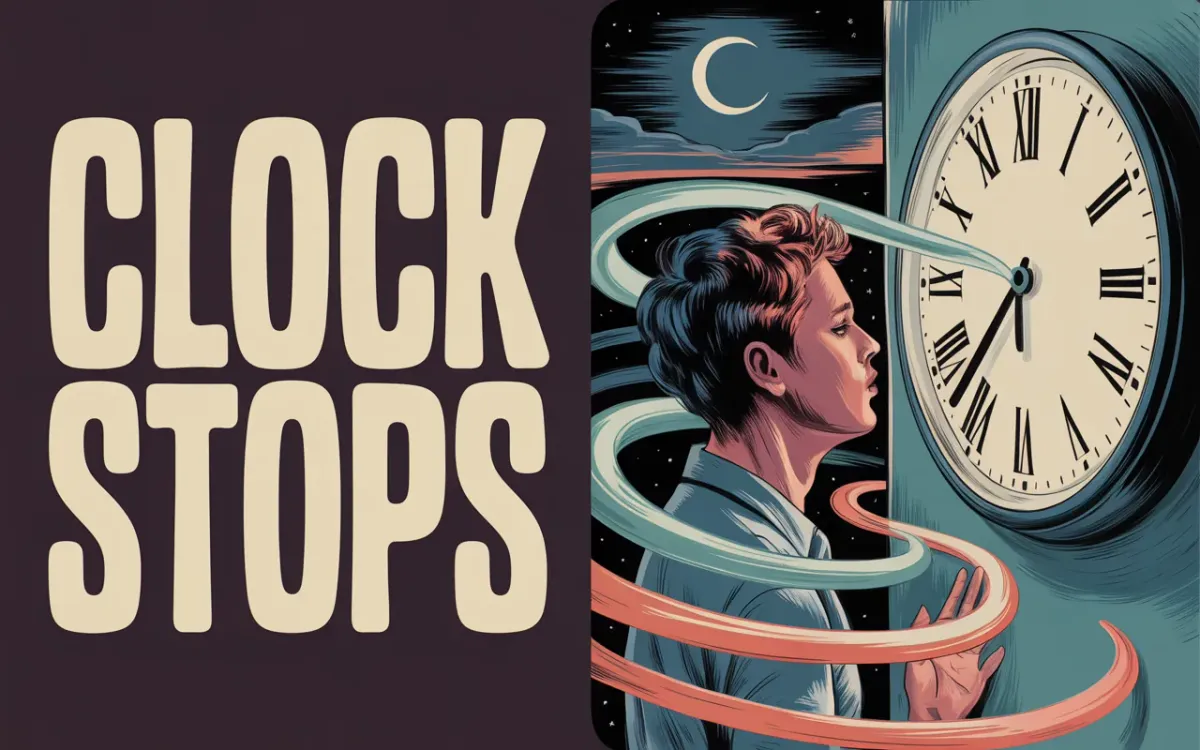
I still remember waking from a dream where the kitchen clock on the wall had simply… stopped. Hands frozen at 3:47, face cracked, and a silence so thick it felt like the whole world had held its breath. I lay there for a long moment, that image clinging to me. There was something deeply unsettling about it — not frightening exactly, but heavy with meaning I couldn't immediately place.
If you've dreamed of a clock stopping, you're not alone. This dream turns up far more often than people realise, and the questions it raises — about time, control, fear, and change — are surprisingly universal.
Quick answer: Dreaming of a clock stopping typically signals anxiety about time running out, fear of a major life transition, or a subconscious need to pause and reassess. It can also reflect grief, a sense of being stuck, or the mind processing pressure around deadlines and unfinished goals.
What a Stopped Clock Symbolises in Dreams
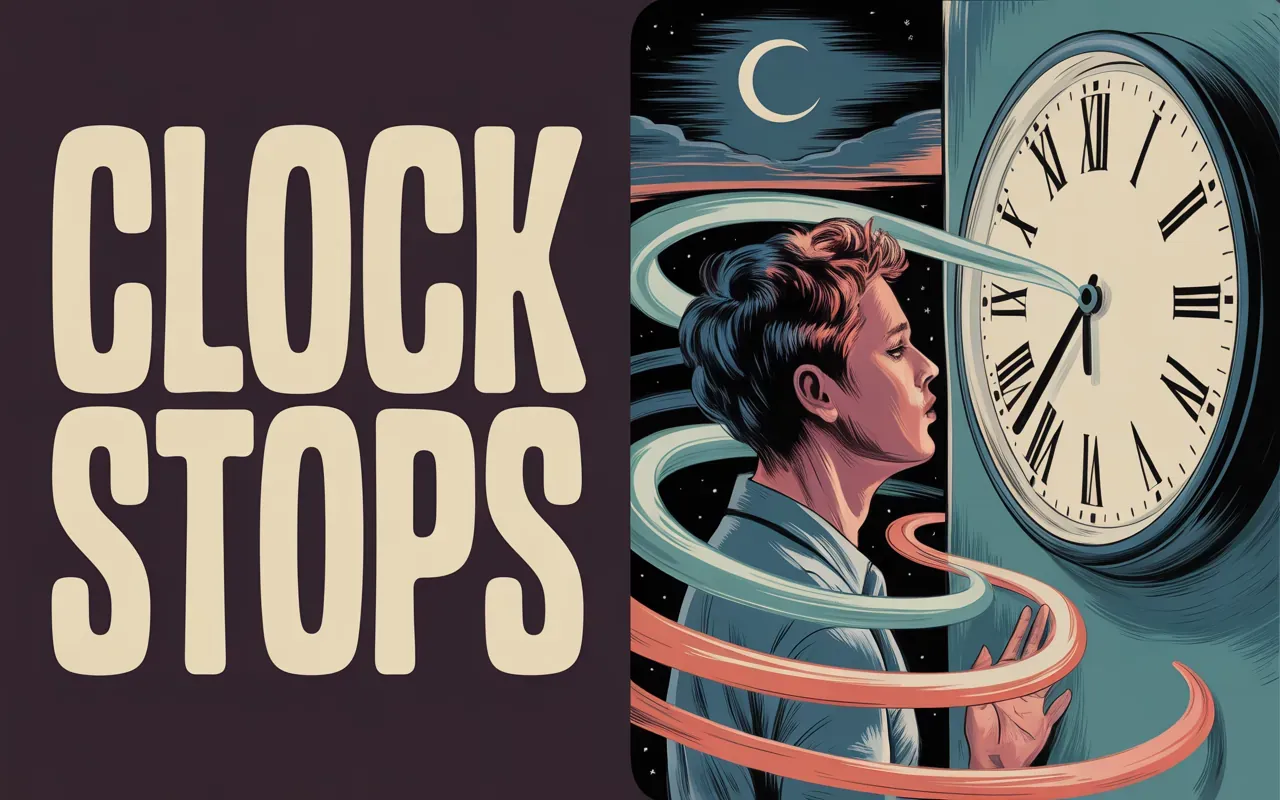
Clocks in dreams are rarely just clocks. They represent our relationship with time itself — how much we feel we have, how much we're afraid to lose, and whether we believe we're keeping pace with where life "should" be.
A stopped clock intensifies all of that. When the hands freeze, the symbolic message shifts from time pressure to something more confrontational: time has ended for something. That "something" depends heavily on what else appeared in the dream.
In my research into dream symbolism, I've consistently found that stopped clocks cluster around a handful of core themes:
- Mortality and impermanence — The oldest association is with death or the ending of a chapter. Victorian households would stop clocks at the moment of a loved one's death; this tradition seeped into our collective unconscious.
- Frozen grief — Like Miss Havisham in Great Expectations, a stopped clock can represent someone who has emotionally refused to let time move forward after a loss or heartbreak.
- Control anxiety — If you've been feeling powerless lately, a stopped clock may reflect the fear that events are spiralling beyond your ability to manage them.
- A needed pause — Not all stopped-clock dreams are ominous. Sometimes they're the subconscious inviting you to slow down.
Common Scenarios and What They Mean
| Scenario | Likely Meaning |
|---|---|
| Wall clock suddenly stops while you watch | A waking-life situation is about to reach a turning point; your mind is preparing you |
| Wristwatch or pocket watch stops on your wrist/hand | Personal deadlines or life milestones feel out of reach; concern about your own pace in life |
| Clock stops and the world freezes too | Feeling emotionally paralysed or unable to move forward in a relationship or career |
| Clock stops during an emergency or chase | Acute anxiety about running out of time — common during high-stress periods at work |
| You try to fix the stopped clock but can't | Frustration at being unable to change a situation; sense of helplessness over time lost |
| Clock stops and you feel calm or relieved | Deep need for rest; the subconscious craving a break from constant pressure and obligations |
| Clock stops at a specific time (3:00, midnight) | The number may hold personal significance — an anniversary, appointment, or recurring fear |
| Deceased person's clock stops in the dream | Grief processing; honouring a loss, or feeling that grief has halted your own progress |
The Psychology Behind a Stopped Clock Dream
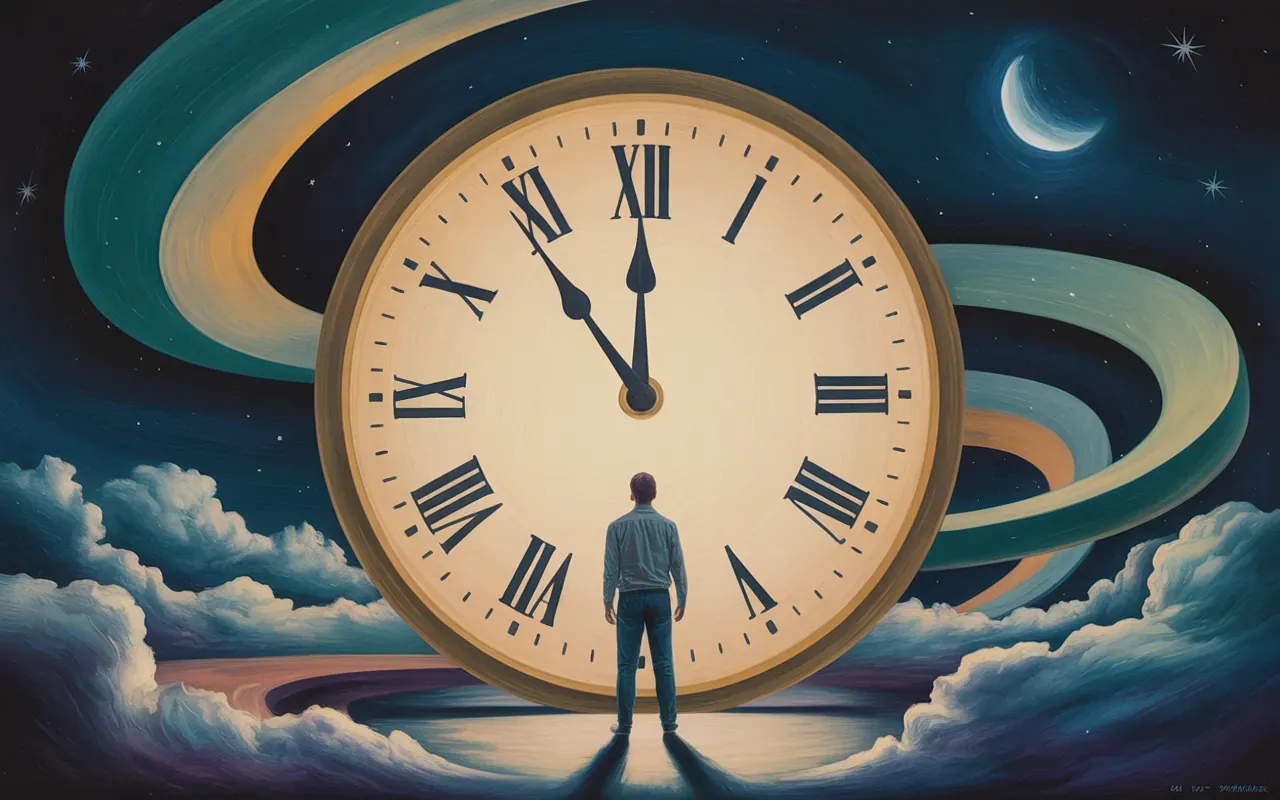
From a psychological standpoint, clocks in dreams are among the most studied time-related symbols. Carl Jung identified time as one of the fundamental frameworks through which the psyche organises experience — and a stopped clock disrupts that framework entirely.
I've found in my research that this dream type tends to spike during life transitions: turning 30 or 40, leaving a long-term job, ending a relationship, or approaching a major deadline. The subconscious uses the stopped clock as a kind of alarm — not to wake you up, but to make you pay attention.
Psychologists also link this dream to what's called temporal anxiety — the fear that time is escaping us faster than we can act. In modern life, where calendars are packed and productivity is prized, that anxiety rarely gets acknowledged during waking hours. Dreams give it a stage.
There's also a phenomenon called chronostasis — the brief sensation, in waking life, that a clock's second hand has frozen just after you glance at it. Sleep researchers believe the brain sometimes replays this glitch during REM sleep, triggering the stopped-clock image. So not every such dream is purely symbolic — sometimes it's just the mind replaying a quirk of perception.
Why You're Having This Dream Now
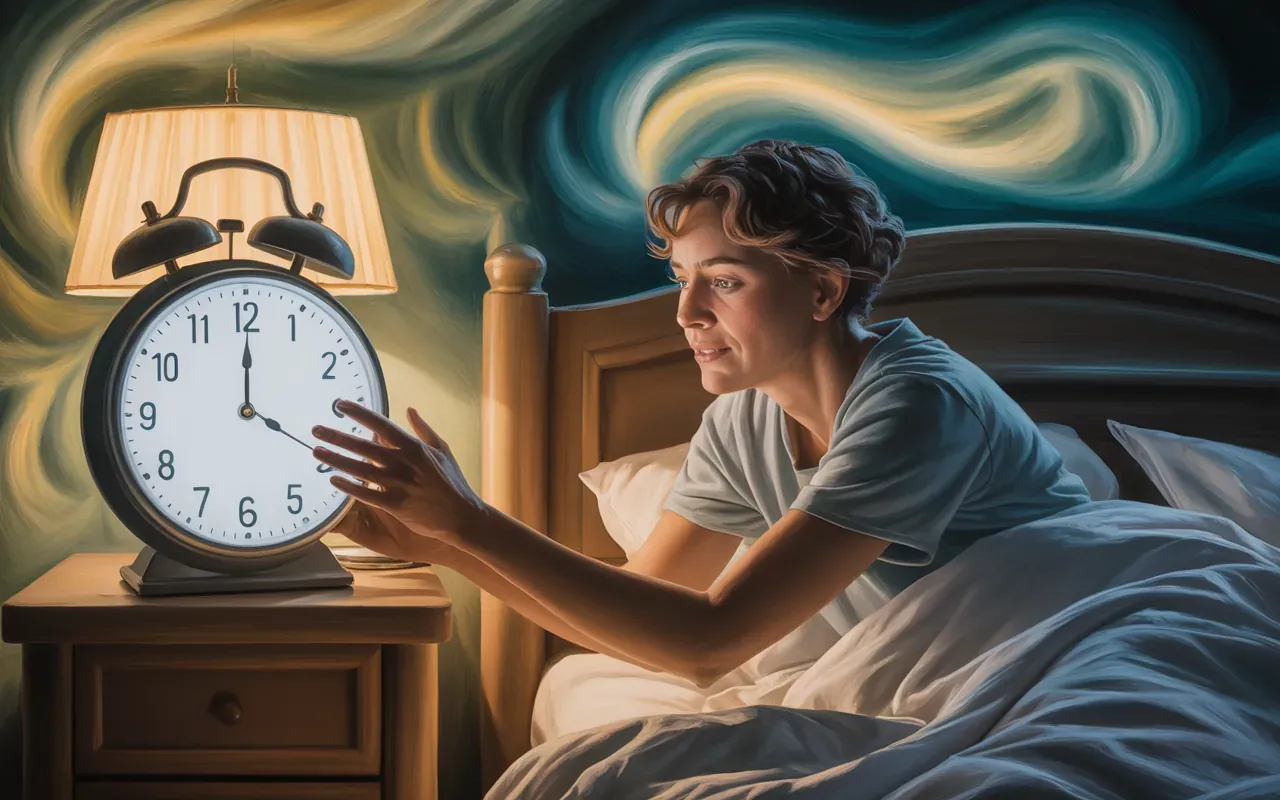
In my experience working through dream symbolism, the "why now" question is often more useful than the "what does it mean" question. A stopped clock dream rarely appears out of nowhere.
Ask yourself: Is there a deadline looming that you're secretly terrified of missing? Have you recently experienced a loss — a person, a relationship, a version of yourself? Are you in a period of life where you're comparing your timeline to others' — feeling behind, or ahead, or simply out of step?
This dream also comes up for people who are caregivers, or who are watching an elderly parent age. The stopped clock can be an expression of the wish that time would simply hold still — that you could freeze this moment before the inevitable change arrives.
And sometimes the dream is gentler than all of that. Sometimes your nervous system is simply exhausted, and the stopped clock is the subconscious saying: you are allowed to pause.
What Sleep Science Says About Time Dreams
Research published by the American Psychological Association supports the view that dreams about time and urgency are closely linked to waking-state stress levels — particularly in individuals who regularly work under deadline pressure or experience anticipatory anxiety. During REM sleep, the prefrontal cortex (responsible for time management and planning) partially activates alongside the amygdala (the emotional centre), creating the conditions for vivid, emotionally charged time-themed imagery.
Studies on dream content also note that recurring stopped-clock dreams, when they appear in grief contexts, often diminish naturally as the dreamer processes their loss — suggesting the dream is doing genuine psychological work.
Related dream themes you might also be experiencing:
- Being Chased by a Giant Clock or Hourglass in a Dream — when time pressure becomes an active threat
- Time Moving Extremely Slowly or Quickly in a Dream — distorted time as an emotional signal
- Broken Pocket Watch in a Dream — the personal timepiece that no longer works
- Seeing Numbers or Clocks Repeatedly in a Dream — when the mind loops on the same symbol
- Spiritual Meaning of Being Able to Manipulate Time in a Dream — the flip side of the stopped clock
What to Do After a Stopped Clock Dream

Rather than brushing off the dream or searching for a single definitive meaning, I always suggest sitting with it first. Here's what I've found genuinely helpful:
- Write it down immediately. What time did the clock show? Where were you in the dream? How did you feel when it stopped — frightened, relieved, confused? These details matter.
- Identify the waking-life parallel. What in your life right now feels frozen, time-sensitive, or out of your control? The dream is rarely metaphorical for its own sake — it's pointing at something real.
- Notice if it recurs. A single stopped-clock dream is a prompt to reflect. A recurring one is a louder signal that something unresolved needs attention.
- Consider the emotional tone. If the dream felt peaceful, lean into that — your mind may be giving you permission to rest. If it felt panicked, treat that as a flag for a stress-related conversation with yourself or someone you trust.
- Try a brief daily check-in. Ask yourself each morning: "What am I avoiding thinking about?" Often the stopped clock dreams fade once you've named the thing they're circling.
Frequently Asked Questions
What does a stopped clock symbolise in a dream?
A stopped clock in a dream most often symbolises anxiety about time, fear of missing an opportunity, or the sense that something in your life has come to a standstill. It can also represent grief, a desire to slow down, or a significant life transition approaching.
Is dreaming of a clock stopping a bad omen?
In many folk traditions, a clock stopping was associated with death — but in modern dream psychology, it rarely predicts anything. It's far more likely to reflect your current emotional state: pressure, exhaustion, or the need to reassess a direction in life. Most dreamers find the image unsettling, but that unease is doing useful psychological work.
What does it mean when a clock stops at a specific time in a dream?
If the clock stops at a memorable or significant time — midnight, 3 AM, or a time that matches an anniversary or appointment — your mind may be anchoring the symbol to a specific real-world concern. Pay attention to any feelings triggered by that number when you're awake.
Why do I keep dreaming about clocks or time running out?
Recurring time-themed dreams often signal chronic stress or a persistent anxiety that hasn't been addressed in waking life. They're most common in people under deadline pressure, approaching major life milestones, or in periods of grief. If the dreams persist, they're worth exploring with a therapist or through regular journalling.
What does it mean to dream of a clock stopping and the world freezing?
When both the clock and the surroundings freeze simultaneously, the dream often points to emotional paralysis — a feeling of being unable to act or move forward in some area of life. This scenario is common when a person is stuck between two major decisions or is in a period of deep uncertainty.
Does dreaming of a stopped clock relate to someone dying?
This association exists in folklore — the idea that a clock stops at the moment of death — and the subconscious draws on cultural symbolism. If you've recently lost someone or are worried about a loved one's health, a stopped-clock dream may be the mind processing that fear. It's a grief response, not a prediction.
What does it mean if I try to fix the stopped clock in my dream?
Attempting to repair the clock suggests a strong drive to regain control — of time, of a situation, or of your own progress. If you succeed in fixing it, the dream may be reassuring you that resolution is within reach. If you can't fix it, the dream may be pointing to a situation you're trying to change but can't, and may need to accept.
Can a stopped clock dream have a positive meaning?
Absolutely. If the clock stopping brought you a feeling of peace or relief in the dream, your subconscious may be expressing a genuine need for rest and stillness. Not every stopped-clock dream is about loss — sometimes it's about permission. Permission to stop running, to pause, to breathe.
What is the spiritual meaning of dreaming about a clock stopping?
Spiritually, many traditions interpret a stopped clock as a reminder that human time is finite and that certain moments are calling for your full presence. Some read it as a sign to surrender control — to trust that not everything needs to be managed or hurried. In introspective spiritual frameworks, it often appears as an invitation to examine how you're spending the time you've been given.
Final Thoughts
The stopped clock in your dream isn't a punishment or a warning from the universe. It's your own mind — sharp, symbolic, working quietly while you sleep — telling you something about how you relate to time right now.
Whether that's a deadline you're afraid of, a chapter of life you're not ready to close, or simply the exhausted wish for everything to pause for just one moment: the message is worth hearing. Write it down. Sit with it. Let it point you back toward the waking-life conversation you may have been avoiding.
Time in dreams is rarely literal. But it is always honest.