Feeling Unwanted in a Dream - Understanding the Meaning and Emotions


Quick answer: Dreaming of feeling unwanted reflects your subconscious processing real fears of rejection and social exclusion. It typically signals unresolved relationship tension, low self-worth, or a life transition that\'s left you feeling disconnected. The emotion in the dream is the message — not a prediction.
Few dreams leave a sting quite like waking up from one where you were invisible, pushed aside, or plainly unwelcome. In my research into emotional dream patterns, dreams about feeling unwanted consistently rank among the most emotionally charged — and the most instructive. They pull on something deep: our need to belong, to matter, to be seen.
This post breaks down what these dreams mean symbolically, psychologically, and scientifically — and what you can actually do with that knowledge when you wake up.
What Does Feeling Unwanted in a Dream Mean?
At its core, dreaming of feeling unwanted points to an internal conflict between your sense of self-worth and your fear of social rejection. The dream isn\'t saying you are unwanted — it\'s saying part of you fears being unwanted. That distinction matters.
Symbolically, this dream type signals a search for identity, belonging, and purpose. When that search feels blocked — in real life or in the dream — the subconscious amplifies the anxiety into a scenario you can\'t ignore.
What Are the Spiritual and Symbolic Meanings?
Across spiritual traditions, the feeling of being excluded in a dream carries layered meanings:
- Identity and purpose: You may be questioning your value in a relationship, job, or community. The dream surfaces what waking life lets you suppress.
- Disconnection from self: Spiritually, feeling cast out can reflect a drift from your own values or inner voice — a gap between who you are and how you\'re presenting yourself to the world.
- Desire for autonomy: Sometimes the "unwanted" feeling masks a deeper longing for space and independence, not just belonging.
- Heart chakra imbalance: In energy-based traditions, these dreams often correspond to blockages around self-love, compassion, and emotional openness — the territory governed by the heart chakra.

How Do Freud and Jung Interpret Dreams of Rejection?
Freudian Perspective
Freud called dreams the "royal road to the unconscious." Through that lens, dreaming of rejection is the mind surfacing repressed fears — fears of abandonment, inadequacy, or unlovability often rooted in early childhood experiences. The dream gives a voice to what your waking self refuses to admit.
Jungian Perspective
Jung would frame this as a shadow encounter. The figures who reject you in the dream often represent disowned parts of yourself — aspects you\'ve buried because they felt unacceptable. The pattern I keep seeing in these dreams is that the "rejection" is rarely about others; it\'s about the parts of yourself you haven\'t integrated yet. Feeling unwanted becomes an invitation to recognize and reclaim those fragments.
Comparing the Frameworks
\n\n| Framework | Core Interpretation | Suggested Action |
|---|---|---|
| Freudian | Repressed childhood rejection fears | Explore past relationship wounds |
| Jungian | Shadow self seeking integration | Identify what you\'re denying in yourself |
| Energy/Reiki | Heart chakra blockage | Practices that build self-compassion |
| Cognitive | Brain processing social anxiety | Address waking social stressors |
What Do Different "Unwanted" Dream Scenarios Mean?
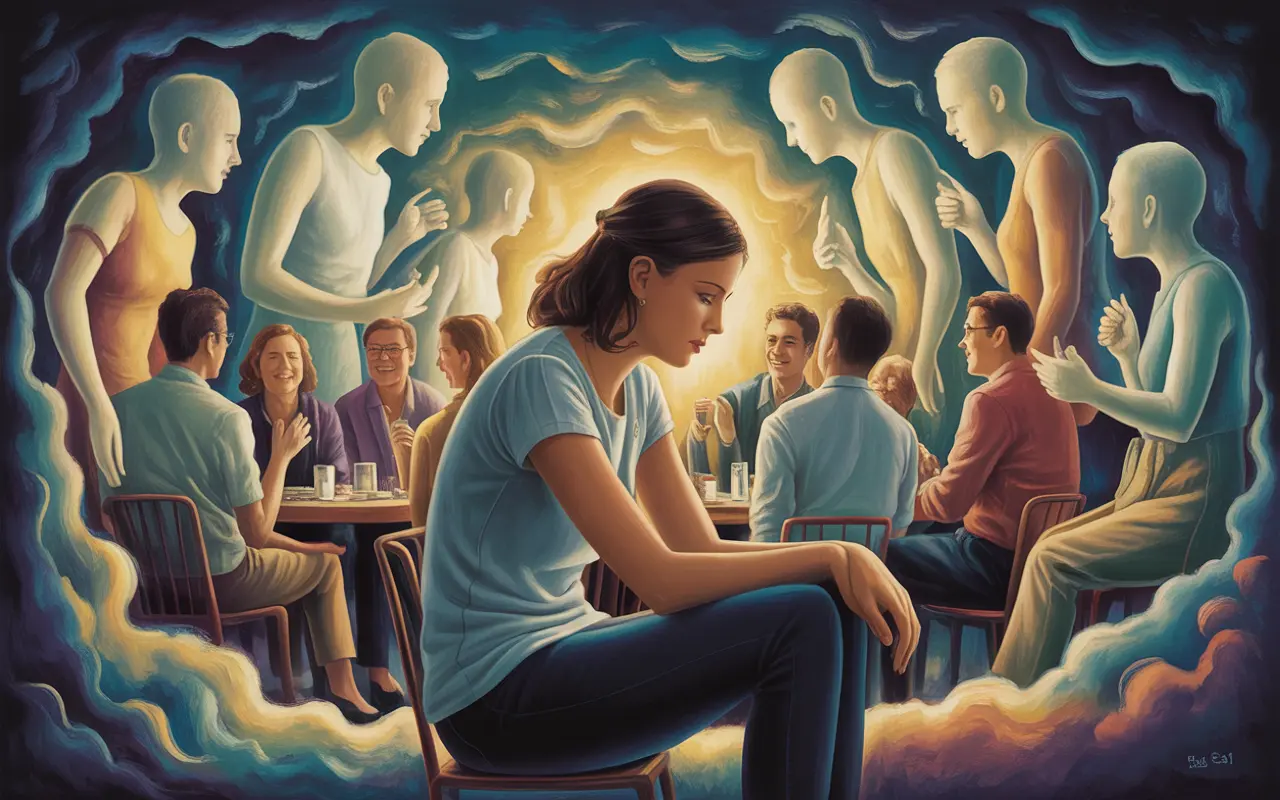
- Feeling unwanted at a gathering: Points to current social anxiety or unresolved tension with a peer group or family circle. If the gathering mirrors a real-life situation, the dream is almost certainly processing that specific dynamic.
- Rejected by a loved one: The most emotionally intense version. Usually reflects a real worry about that relationship — or a fear of losing someone\'s approval that you haven\'t voiced.
- Being overlooked or forgotten: Symbolizes feeling invisible or undervalued in your professional or personal life. Worth asking: where in waking life are you not advocating for yourself?
- Sudden isolation: Sudden shifts to aloneness in a dream often follow major life transitions — a move, a breakup, a job change. The brain is processing the loss of a familiar social structure.
What Causes These Dreams Scientifically?
The neuroscience is fairly clear: during REM sleep, the brain\'s emotional processing centers — particularly the amygdala — stay highly active while the prefrontal cortex (your rational gatekeeper) goes quiet. This creates conditions where unresolved social anxieties get amplified into vivid, emotionally raw dream scenarios.
Key triggers include:
- Ongoing social stress: Conflicts at work, relationship friction, or feelings of exclusion in a group will feed directly into dream content.
- Life transitions: New job, relocation, breakup, or any change that disrupts your social ecosystem.
- Health and sleep disturbances: Poor sleep quality increases REM intensity, making emotional dreams more frequent and more disturbing.
- Unprocessed comparisons: Constant comparison to others — social media being a major driver — seeds the subconscious with inadequacy that surfaces at night.
I\'ve found that clients who journal before bed report these dreams far less frequently once they articulate the social fear in writing — externalizing it seems to reduce the brain\'s need to process it in sleep.
How Do You Cope with Recurring Dreams of Feeling Unwanted?
- Keep a dream journal: Write the dream down immediately on waking — emotions, people, setting. Patterns become visible within 2–3 weeks and point directly to the waking source.
- Name the waking trigger: Ask yourself: where in real life am I feeling unseen or excluded right now? The dream is usually a direct echo.
- Work with the shadow: If Jungian framing resonates, try a short writing exercise: give the rejecting figure in your dream a voice. What is that part of you trying to say?
- Improve sleep hygiene: Consistent sleep/wake times, a screen-free wind-down period, and a cool room dramatically reduce nightmare frequency.
- Seek professional support: If these dreams are frequent and distressing, a therapist skilled in dream analysis — or standard CBT for social anxiety — can address the root quickly.
For more on navigating fear-based dreams, see our guide on feeling scared in a dream. If the unwanted feeling comes with a sense of threat, you might also relate to the spiritual meaning of being attacked in a dream. Dreams of social dynamics often overlap with arguing with a loved one in a dream, which explores relationship conflict from a similar angle.
For deeper background on why dreams carry emotional weight, the American Psychological Association\'s overview of dream psychology is a solid starting point.
FAQ: Feeling Unwanted in a Dream
What does it mean to feel unwanted in a dream?
It means your subconscious is processing a fear of rejection, social exclusion, or low self-worth. The dream surfaces emotions that waking life tends to suppress — it\'s not a prediction, it\'s a signal worth examining.
Is dreaming about rejection or being ignored common?
Yes. Dreams of exclusion and rejection are among the most universally reported emotional dreams across cultures. They typically peak during periods of social change or relational stress.
Why do I keep having dreams about feeling left out?
Recurring dreams signal an unresolved waking-life issue. If you keep dreaming of being left out, there\'s likely an ongoing situation — a relationship, social group, or workplace dynamic — where you feel undervalued. Addressing that situation directly usually stops the dreams.
What does it mean when a loved one rejects you in a dream?
It most often reflects anxiety about that specific relationship — a fear of losing their approval or connection — rather than any actual intention on their part. It can also surface unspoken tensions that deserve a real conversation.
Can stress cause dreams about feeling unwanted?
Directly, yes. Stress keeps the amygdala active during sleep, which amplifies social and emotional fears into vivid dream content. Reducing waking-life stress is one of the most effective ways to reduce these dreams.
What is the Jungian meaning of being rejected in a dream?
Jung would frame rejection in dreams as a shadow encounter — the rejecting figures represent disowned or unaccepted parts of yourself. The dream is an invitation to recognize and integrate those parts rather than continue suppressing them.
How does the heart chakra relate to dreams of feeling unwanted?
In energy healing traditions, the heart chakra governs self-love, compassion, and emotional openness. Blockages here — often caused by old wounds or chronic self-criticism — can manifest in dreams as themes of rejection, exclusion, and unworthiness.
Should I be worried if I dream about feeling unwanted?
Not worried — curious. Occasional dreams of this type are normal emotional processing. If they\'re frequent, distressing, or interfering with sleep, that\'s a cue to explore the underlying anxiety with a therapist or through structured self-reflection.
What Feeling Unwanted in a Dream Is Really Telling You
Dreams of feeling unwanted don\'t arrive to confirm your worst fears about yourself. They arrive because some part of your emotional landscape hasn\'t been tended to — a relationship worth repairing, a self-worth story worth rewriting, or a life transition still being digested.
The most useful thing you can do is get specific: which relationship does this echo? Which version of yourself feels invisible right now? That specificity is where the dream\'s value actually lives. Once you identify the waking source, the dream usually has nothing left to say.