Spiritual Meaning of Being Naked in a Dream: Unveil Hidden Truths

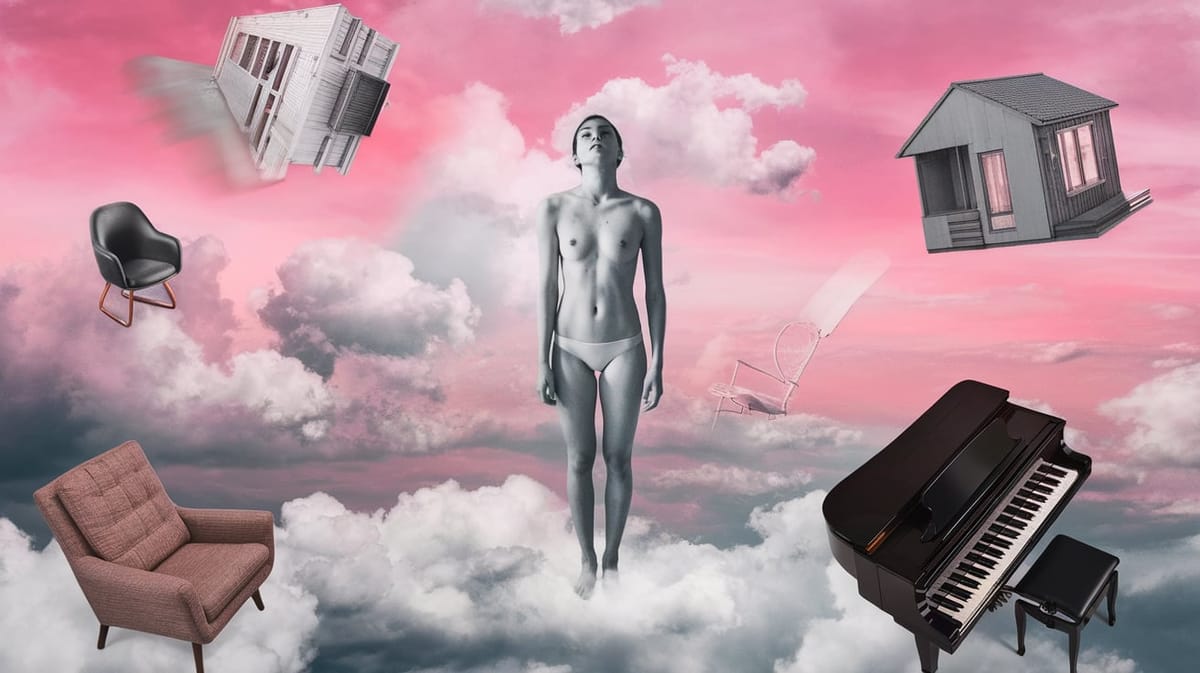
Dreaming of being naked is one of the most common dreams humans have — and one of the most misunderstood. It's not about nudity. It's about exposure. Something in your waking life is making you feel seen, judged, or unprotected, and your sleeping brain is working it out.
Quick answer: Being naked in a dream typically signals vulnerability, fear of judgment, or a desire for authenticity. Psychologists link these dreams to anxiety about exposure — social, professional, or emotional. They peak during life transitions like new jobs, relationships, or public roles, and affect an estimated 60–70% of people at some point.

What does being naked in a dream mean spiritually?
Spiritual traditions across cultures read nakedness as a return to truth. Clothes are social armor — status signals, role markers, protective layers. Strip them away in a dream, and you're left with your unedited self.
In Judeo-Christian thought, nakedness carries two opposing meanings: innocence before the Fall (Genesis 2:25 — "they were naked and felt no shame") and shame after it. Which one your dream reflects depends entirely on how you felt during it. No shame? That's the Eden signal — alignment, openness, spiritual clarity. Shame or panic? That's the post-Fall reading — guilt, exposure of something hidden.
Across Hindu philosophy, dreaming of nakedness can indicate a soul stripped of illusion, approaching moksha-like clarity. In Sufi interpretation, the unclothed form represents the self before God — raw, honest, without pretense.
Many dreamers report a surprising feeling of relief in these dreams, not distress. That's worth noting. Dream journals from sleep researchers consistently show that emotional tone during the naked dream — calm vs. panicked — predicts the interpretation more reliably than the scenario itself.
What do different naked dream scenarios actually mean?
The scenario matters. Four situations come up repeatedly, and they don't all point to the same thing.
| Scenario | Most common interpretation | Emotional driver |
|---|---|---|
| Naked in public, people notice | Fear of judgment or failure | Social anxiety, performance pressure |
| Naked in public, nobody notices | Worry that your vulnerability goes unseen | Loneliness, invisibility |
| Naked among friends, comfortable | Emotional intimacy and trust | Security in close relationships |
| Trying desperately to cover up | Shame, guilt, a secret you're guarding | Unresolved internal conflict |
The "nobody notices" variant is under-discussed. Dreamers assume nakedness always means fear of exposure. But if you're standing naked in a crowd and everyone walks past you, the dream might be about being ignored — feeling invisible despite your vulnerability.
What does psychology say about naked dreams?
Freud read nakedness as a wish-fulfillment dream — the repressed desire to shed social constraints, occasionally mixed with anxiety about exposure of the "true self." He connected it to childhood, when nakedness carried no shame.
Jung's reading is different and often more useful. For Jung, clothes are the persona — the public mask we wear. Dreaming of being naked is the unconscious dissolving that mask, forcing confrontation with the shadow self: the parts of your personality you've suppressed or refused to acknowledge. This isn't comfortable, but shadow integration, according to depth psychology, is essential for psychological wholeness.
Modern cognitive research offers a simpler frame: naked dreams are threat simulations. The brain rehearses socially dangerous scenarios during REM sleep. People starting new jobs, entering new relationships, or facing public scrutiny show higher rates of exposure and nakedness dreams. It's the mind stress-testing your social defenses.
What triggers a naked dream?
Four situations reliably precede these dreams:
New professional roles. Starting a job, giving a presentation, being evaluated. You feel watched. Your competence is on trial. The dream externalizes that feeling.
Relationship vulnerability. Early stages of intimacy — emotional or physical — activate exposure anxiety. Being naked in a dream can directly mirror the risk of letting someone see you fully.
Unresolved guilt or secrets. Something you're hiding from others (or yourself) can push nakedness dreams forward. The dream won't tell you what the secret is, but it signals one exists.
Physical sleep factors. Sleeping without covers, overheating, or cold air on skin can literally trigger nakedness imagery as the brain integrates physical sensation into dream narrative. Not everything is symbolic.
What does it mean to dream of being naked in Islam?
In Islamic dream interpretation (rooted in Ibn Sirin's classical texts), seeing yourself naked in a dream can carry multiple meanings depending on context. Nakedness in front of strangers signals public disgrace or exposure of private matters. Nakedness in a private setting, without shame, may indicate financial loss — specifically the loss of protective means or provision. If you're naked and feel no distress, some scholars interpret it as freedom from worldly burdens or liberation from hypocrisy. The emotional quality of the dream is always decisive in Islamic interpretation.
What does dreaming of someone else naked mean?
When the naked person is someone else, the meaning shifts. Seeing a stranger naked often reflects your own projection — aspects of vulnerability or shame you're displacing onto an external figure. Seeing a partner naked, if distressing, might indicate fears about intimacy or trust. Seeing someone naked who holds authority over you (a boss, parent) can reflect your unconscious perception that their power is fragile or false. Some dream researchers suggest it indicates you've seen through someone's social facade — you know more about their weaknesses than they realize.

What does a dream about being half dressed mean?
Half-dressed dreams are their own category. Full nakedness signals total exposure. Half-dressed signals partial concealment — the self partially on display, partially protected. This often points to ambivalence: you want to be seen and known, but you're not ready to drop all defenses. In Christian symbolism, being partially clothed can represent incomplete spiritual preparation — similar to the parable of the wedding garment (Matthew 22). In everyday psychological terms, it usually means you're in a transitional state, somewhere between hiding and revealing.
For more on clothing symbolism in dreams, see the spiritual meaning of clothes in a dream.
How do you stop recurring naked dreams?
Recurring naked dreams are a signal, not a sentence. They don't stop when you ignore them — they stop when you address whatever is driving the exposure anxiety.
Start with a dream journal. Write down the setting, who saw you, how you felt, what happened just before you woke. Patterns emerge within two to three weeks that single-dream recall misses. Many dreamers who journal consistently find the dreams decrease in intensity once they've consciously acknowledged the underlying fear.
If the dreams correlate with a specific life situation — a job, a relationship, a confrontation you've been avoiding — address the situation directly. The dream is doing the work your waking mind won't do.
Therapy helps when the dreams cause significant distress or when the underlying anxiety is persistent. Cognitive behavioral therapy for anxiety (CBT-A) is the evidence-based starting point.
Also consider what it means when your body separates from your consciousness in a dream — another common exposure-related experience that often co-occurs with nakedness dreams.
FAQ: Naked Dream Meaning
What does it mean to dream about not having clothes on?
Dreaming about not having clothes on typically signals vulnerability or anxiety about being judged. It's one of the most common recurring dreams, usually tied to stress about performance, new social situations, or something in your life you feel unprepared for. The emotional tone during the dream is the most reliable indicator of its specific meaning.
What does it mean to undress in a dream?
Undressing in a dream can suggest willingly dropping your social mask — a conscious move toward authenticity or intimacy. If the undressing feels voluntary and positive, it often signals readiness for change or self-revelation. If it feels forced or panicked, it points to a fear that your private self will be exposed involuntarily.
Why did I have a dream about being exposed?
Exposure dreams (including nakedness) spike when you're facing real-world situations where your weaknesses or secrets feel visible. New jobs, public roles, early relationships, and confrontations are the most common triggers. Research consistently shows these dreams track anxiety about social evaluation rather than literal physical exposure.
What does dreaming of being naked in public mean?
Being naked in public in a dream is a classic anxiety dream. It usually reflects fear of judgment, humiliation, or failure in a social or professional context. If people in the dream notice and react negatively, the anxiety is about visible failure. If nobody notices, it may reflect a fear of being overlooked or unseen despite genuine vulnerability.
What does seeing yourself naked in a dream mean in Islam?
In Islamic dream interpretation, nakedness before others typically signals potential disgrace or the unintended disclosure of private matters. Nakedness without distress may indicate financial vulnerability or the loss of protective provisions. Emotional context is central: shame in the dream amplifies the warning interpretation; peace or indifference softens it.
What does it mean to see someone naked in a dream?
Seeing another person naked often reflects your perception of their vulnerability or your own projected feelings. If the person is someone you know, it may mean you've unconsciously recognized their weaknesses. If it's a stranger, the naked figure often represents a disowned part of yourself — aspects of your personality you haven't fully accepted.
What is the spiritual meaning of being half dressed in a dream (Christian interpretation)?
In Christian symbolism, being half dressed in a dream often represents incomplete spiritual readiness — a soul partially prepared but not fully armored. It echoes the parable of the wedding garment in Matthew 22. Practically, it suggests you're in transition: moving toward openness or authenticity but still holding something back.
What does dreaming of a naked man mean?
A naked man in a dream often represents raw masculine energy — strength, aggression, or sexuality stripped of social conditioning. If the figure is threatening, it may signal an aspect of power (yours or someone else's) that feels out of control. If the figure appears peaceful, it can indicate genuine strength, confidence, or vulnerability accepted without shame.
What does it mean when you dream about being naked and comfortable?
Feeling comfortable while naked in a dream is a positive signal. It reflects self-acceptance, confidence, and genuine ease with who you are. Dream researchers note this version of the dream is more common in people who have recently resolved a long-standing personal conflict or reached a point of authentic self-expression in their waking life.
Are naked dreams psychologically normal?
Completely normal. Studies suggest between 60% and 70% of adults experience nakedness or near-nakedness dreams at some point. They appear in dream records across all documented cultures and time periods. They're classified as a standard "anxiety dream" type alongside falling dreams and being-chased dreams, and they carry no clinical significance on their own.
For a deeper look at how your body appears in altered states during sleep, read about out-of-body experiences in dreams.
What to do after a naked dream
Don't dismiss it. Write down exactly what happened — location, who was there, how you felt, whether you tried to cover yourself. Note what's happening in your waking life right now: any new pressures, relationships under strain, things you're concealing.
If the dream recurs more than three or four times in a month and causes significant distress, that's worth exploring with a therapist. Recurring exposure dreams are a reliable marker of persistent, unaddressed anxiety — the kind that responds well to structured cognitive work.
One consistent finding from dream research: people who address the underlying real-world vulnerability — rather than seeking a symbolic interpretation alone — report that the nakedness dreams stop. The dream isn't asking you to decode it. It's asking you to act.