What Does It Mean If You See a Ghost in Your Dream? Discover Insights


Ghost dreams stop you cold. One moment you're asleep, and then something pale and formless is standing at the foot of your bed — or worse, it looks exactly like someone you knew. These dreams are among the most emotionally charged experiences people report, and they're far more common than most people admit. What does it mean if you see a ghost in your dream? The short answer: your subconscious is processing something unfinished.
Quick answer: Seeing a ghost in a dream typically means you're carrying unresolved emotions — grief, guilt, or unfinished business with someone from your past. Psychologists link ghost dreams to REM-stage emotional processing, while spiritual traditions interpret them as messages from the deceased or signals to seek closure. The specific scenario matters: a familiar ghost differs sharply from being chased by one.
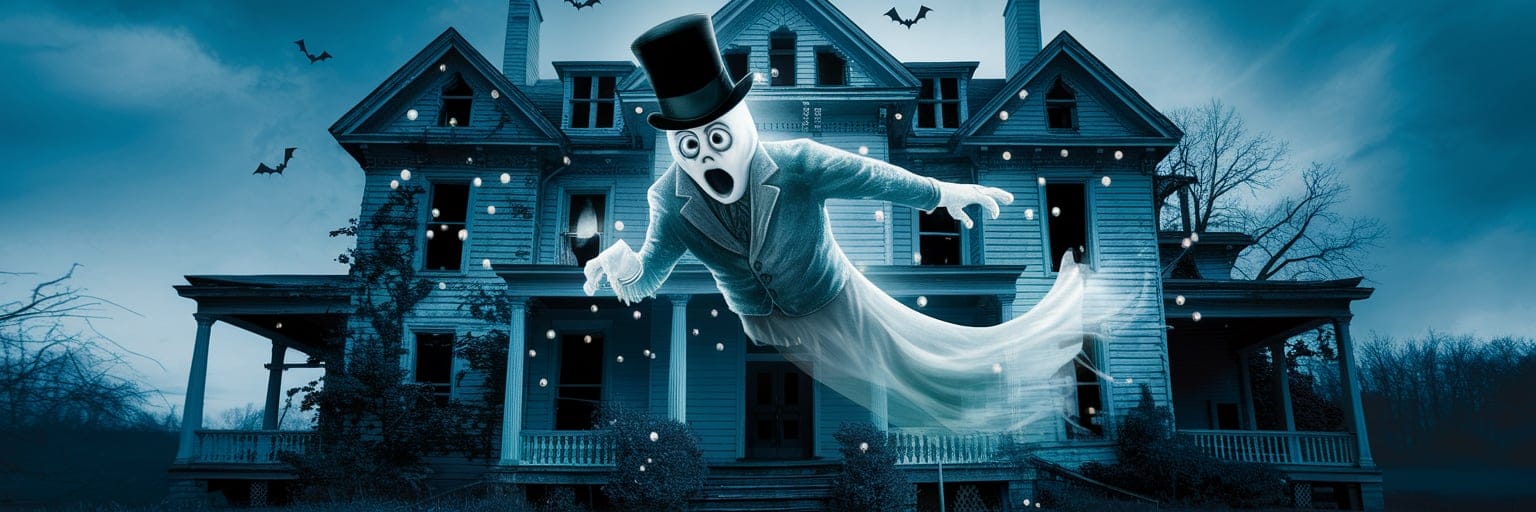
What does dreaming about ghosts mean?
Ghost dreams mean your mind is circling something it hasn't resolved yet. That "something" could be a person, a decision, a loss — anything your waking self keeps pushing away. Dream journals consistently show that ghost appearances spike during periods of grief, major transitions, or long-suppressed guilt.
The ghost is rarely a literal entity. It's a symbol your brain chose because it captures the feeling precisely: present but not present, seen but untouchable, familiar yet wrong. Many dreamers report waking from ghost dreams with a strong residual emotion — often sadness or longing rather than fear — which points to unfinished emotional work rather than random neural noise.
What does a ghost symbolize in dreams?
A ghost in a dream carries four consistent symbolic threads across cultures and psychological schools:
| Symbol | What It Points To | Common Trigger |
|---|---|---|
| Independence / detachment | Areas of life where you feel untethered or want freedom | Major life changes, breakups |
| Mystery / the unknown | Questions you haven't answered about yourself | Career crossroads, identity shifts |
| Intuition | A signal you've been ignoring in waking life | Unacknowledged feelings |
| Unfinished business | Guilt, regret, or a relationship left open | Loss, estrangement, old conflicts |
According to Wikipedia's overview of ghost symbolism, across traditional accounts ghosts have long been associated with unresolved vengeance or earthbound attachment — themes that map directly onto modern psychological interpretations of ghost dreams.

What do different ghost scenarios mean in dreams?
The scenario changes everything. Here are the five most common situations and what they typically indicate:
Encountering a familiar ghost — someone you knew in waking life appears as a ghost. This usually means unresolved feelings toward that person. You may have left something unsaid, or you're processing their absence. It's your mind's way of continuing a conversation that ended abruptly.
Being chased by a ghost — you're running, and it's right behind you. Dream journals consistently show this pattern tied to avoidance. The emotion or situation you've been dodging isn't going away — it's gaining ground.
Talking to a ghost — calm exchange, even if eerie. This is actually one of the more constructive ghost dreams. You're open to internal dialogue, willing to hear what the unresolved part of you has to say. Pay attention to what the ghost tells you.
Seeing a ghost child — unsettling for most dreamers. A ghost child often represents lost innocence, an abandoned version of yourself, or grief over something that never got to grow (a relationship, a project, a path not taken).
A ghost moving things around — poltergeist-style activity in a dream. This points to feeling out of control in your waking life. Something is disrupting your environment, and you feel powerless to stop it.
What is the spiritual meaning of seeing a ghost in a dream?
Spiritually, ghost dreams are read as contact points between the dreamer and unresolved energy — whether that's a departed soul, ancestral memory, or suppressed spiritual awareness.
Many spiritual traditions interpret a peaceful ghost as a sign that someone from your past is trying to offer guidance or comfort. A restless or threatening ghost, however, signals that something in your spiritual life needs attention — forgiveness you haven't offered, grief you haven't honored, or a pattern you keep repeating.
If you're drawn to this kind of shadow-work, the post on sensing evil in a dream explores what it means when the spiritual atmosphere of a dream turns dark and threatening.
What is the biblical meaning of a ghost in a dream?
The Bible uses the Hebrew word "ob" (a familiar spirit) and Greek "pneuma" to describe supernatural presences. From a biblical standpoint, dreaming of a ghost is typically interpreted as one of three things: a warning to guard your spirit, a sign of unconfessed sin or unresolved guilt, or a call to prayer and spiritual discernment.
Biblical dream interpretation generally cautions against seeking communication with the dead directly — but many Christian dream interpreters note that God can use any imagery to prompt spiritual reflection. The emotional tone of the dream matters: peace suggests divine comfort; dread suggests an area requiring repentance or release.
Dreaming of an invisible spirit in the house (biblical meaning) follows similar logic — an unseen presence often represents spiritual influence, whether protective or threatening, operating beneath conscious awareness.
What is the meaning of seeing a ghost in a dream in Islam?
In Islamic dream interpretation (rooted in the scholarship of Ibn Sirin), ghosts don't have a direct category — dreams of the dead are more commonly discussed. Seeing a deceased person in a dream is generally considered significant: if they appear content and well-dressed, it's often interpreted as a positive sign. If they appear distressed or in poor condition, it may indicate the dreamer should perform du'a (supplication) or give charity on their behalf.
A formless ghost or spirit presence in an Islamic context may be interpreted as a jinn encounter or a test of faith, prompting the dreamer to seek refuge in Allah through prayer.
How do psychologists interpret ghost dreams?
Two schools dominate the psychological reading of ghost dreams, and they arrive at similar conclusions from different directions.
Freud's view: Ghosts represent repressed content — desires, memories, or conflicts that conscious awareness has buried. The ghost appears because the repression is leaking. The specific identity and behavior of the ghost typically points to the source material.
Jung's view: Carl Jung would read a ghost as a shadow archetype — the unintegrated parts of the self that have been denied or projected outward. The ghost isn't threatening you from outside; it IS you, asking to be acknowledged. Integration, not avoidance, is the resolution.
From a neuroscience angle, ghost dreams are most common during REM sleep when the brain's amygdala (emotional center) runs hot while the prefrontal cortex (rational filter) is quieter. Stress, grief, and unresolved conflict all increase amygdala activity — which is why difficult periods in life tend to produce more vivid ghost dreams.
Sleep paralysis deserves a specific mention. If you've ever felt paralyzed in bed while sensing a presence, that's a well-documented neurological phenomenon: conscious awareness returns before motor function, and the brain fills the gap with threat-related imagery — often a figure in the room. It's frightening but physiologically harmless. For a deeper dive into this state, see the post on sleep paralysis.

What does it mean when you dream about ghosts attacking you?
Ghost attack dreams are among the most distressing — and the most informative. When a ghost turns aggressive, it usually means the issue you've been avoiding has reached a tipping point. The subconscious is no longer whispering; it's shouting.
Common triggers for attack dreams include prolonged suppression of grief, unaddressed anger toward someone who has died or left, and chronic anxiety that hasn't found a healthy outlet. Many dreamers report these dreams clustering before a major reckoning — a difficult conversation they finally have, a decision they finally make.
If these dreams are recurring, start there: what have you been consistently avoiding? The attack is the avoided thing, personified.
What does it mean to see the ghost of a living person in a dream?
This unsettles people because it feels like a death omen — but it's almost never that. Seeing someone alive as a ghost in your dream typically means you've experienced a psychological loss of that relationship. They're still physically present in the world, but something between you has ended: a friendship that drifted, a relationship that changed, a version of a person you miss.
It can also signal anxiety about losing them. The dream is rehearsing a grief you fear. For more on this specific scenario, the post on seeing ghosts or spirits of living people in a dream goes deeper into what these encounters tend to mean.
What does it mean when you dream about paranormal activity?
Paranormal activity dreams — objects moving, voices without bodies, lights flickering — function differently from direct ghost encounters. They represent disruption and loss of control rather than a specific unresolved relationship. You feel like something is operating in your life that you can't see, name, or confront directly.
These dreams often surface during periods of uncertainty: a job situation that feels unstable, a relationship where something is clearly wrong but unsaid, a health worry that hasn't been diagnosed. The "paranormal" element is your mind's metaphor for the invisible threat.
What should you do after a ghost dream?
Four practical steps, ranked by usefulness:
1. Write it down immediately. Not the plot — the emotion. What were you feeling during the dream? What was the ghost's relationship to you? The emotional texture is where the meaning lives.
2. Identify the obvious candidate. Who or what in your waking life matches what the ghost represented? Grief, guilt, avoidance, longing — pick the most honest answer.
3. Take one real-world action. Ghost dreams tend to resolve when the underlying issue gets addressed — not when you interpret the dream perfectly. Write the letter. Have the conversation. Do the thing you've been postponing.
4. Seek support if they recur. Recurring ghost dreams that cause significant distress are worth discussing with a therapist, particularly if they're tied to unprocessed grief or trauma. Dream-focused therapy (including imagery rehearsal therapy) has a strong evidence base for reducing nightmare frequency.
Related: if you're also experiencing dreams involving demonic or threatening entities, see seeing a demon in a dream for how those differ symbolically from ghost dreams.
FAQ: Ghost Dreams
What does it mean to see a ghost in your dream?
Seeing a ghost in a dream means your mind is processing something unresolved — typically grief, guilt, or unfinished emotional business with a person or situation from your past. The ghost is your subconscious's way of keeping that issue in front of you until you address it.
What does a ghost symbolize in dreams?
A ghost symbolizes unresolved issues, suppressed emotions, or parts of yourself you've been ignoring. In psychological terms, it often represents the Jungian shadow — the unintegrated aspects of the psyche seeking acknowledgment rather than avoidance.
What does it mean when you dream about ghosts attacking you?
Ghost attack dreams signal that something you've been avoiding has reached a critical point. The aggression represents the suppressed emotion itself — grief, anger, or anxiety — that can no longer stay quiet. Recurring ghost attack dreams usually precede a necessary confrontation or decision in waking life.
What is the meaning of seeing a ghost in a dream in Islam?
In Islamic tradition, seeing a deceased person in a dream can be significant: a content appearance suggests peace, while a distressed appearance may call for supplication or charity on the person's behalf. A formless or threatening spirit may be interpreted as a jinn presence, prompting increased prayer and seeking refuge in Allah.
What is the biblical meaning of a ghost in a dream?
Biblically, a ghost dream is typically read as a call for spiritual discernment — either a warning to guard your spirit, a sign of unresolved guilt, or a prompt to pray. The emotional tone matters: peaceful presence suggests comfort; frightening presence suggests an area requiring spiritual attention or repentance.
What does it mean if you see the ghost of an alive person in a dream?
Seeing a living person as a ghost usually means you've experienced a psychological loss of that relationship. Something between you has ended or changed significantly, even if the person is still physically present. It can also indicate anxiety about losing them — the dream is rehearsing a feared grief.
What does dreaming of a ghost child mean?
A ghost child in a dream often represents lost innocence, an abandoned version of yourself, or grief over something that never got to develop — a relationship, a path, a dream that was given up. It can also reflect unprocessed childhood experiences or parental anxieties.
What does talking to a ghost in a dream mean?
Talking to a ghost is one of the more constructive ghost dream scenarios. It indicates openness to internal dialogue and a willingness to engage with unresolved material rather than run from it. Pay close attention to what the ghost says — those words often contain the message your subconscious is trying to deliver.
What do dreams about ghosts moving things mean?
Dreams featuring poltergeist-style activity — objects moving, things being disrupted — point to feeling out of control in waking life. Something is affecting your environment or circumstances in ways you can't see or directly confront. Common triggers include unstable work situations, unclear relationship dynamics, or undiagnosed health concerns.
What does dreaming of an invisible spirit in the house mean (biblical meaning)?
Biblically, an invisible presence in the home can represent spiritual influence — either protective (divine presence) or threatening (spiritual opposition). This type of dream often prompts believers to pray over their home and relationships, and to examine whether there are areas of life that need spiritual protection or cleansing.
What does it mean when you dream about paranormal activity?
Paranormal activity dreams represent invisible threats or disruptions you can sense but can't directly confront. They typically surface during periods of significant uncertainty — a job, relationship, or health situation where something is clearly wrong but hasn't been named yet. The "paranormal" is your mind's metaphor for the unseen problem.
The one thing ghost dreams consistently tell you
Across every framework — Freudian, Jungian, biblical, Islamic, neuroscientific — ghost dreams point to the same thing: something unresolved that has been waiting too long. The most effective response isn't more interpretation. It's identifying the one avoided action and doing it. Dream researchers at the Journal of Sleep Disorders note that emotional processing during REM sleep is directly tied to how thoroughly the waking brain has engaged with stressful material — which means the ghost keeps appearing until you stop running from what it represents.